
The preschool years are some of the most important years in a child’s development. During this stage, children are not only learning numbers, colors, and letters. They are developing communication, emotional regulation, social interaction, attention, independence, and problem-solving skills that will influence their future learning experiences.

A high-quality preschool program creates the foundation for long-term academic and developmental success.
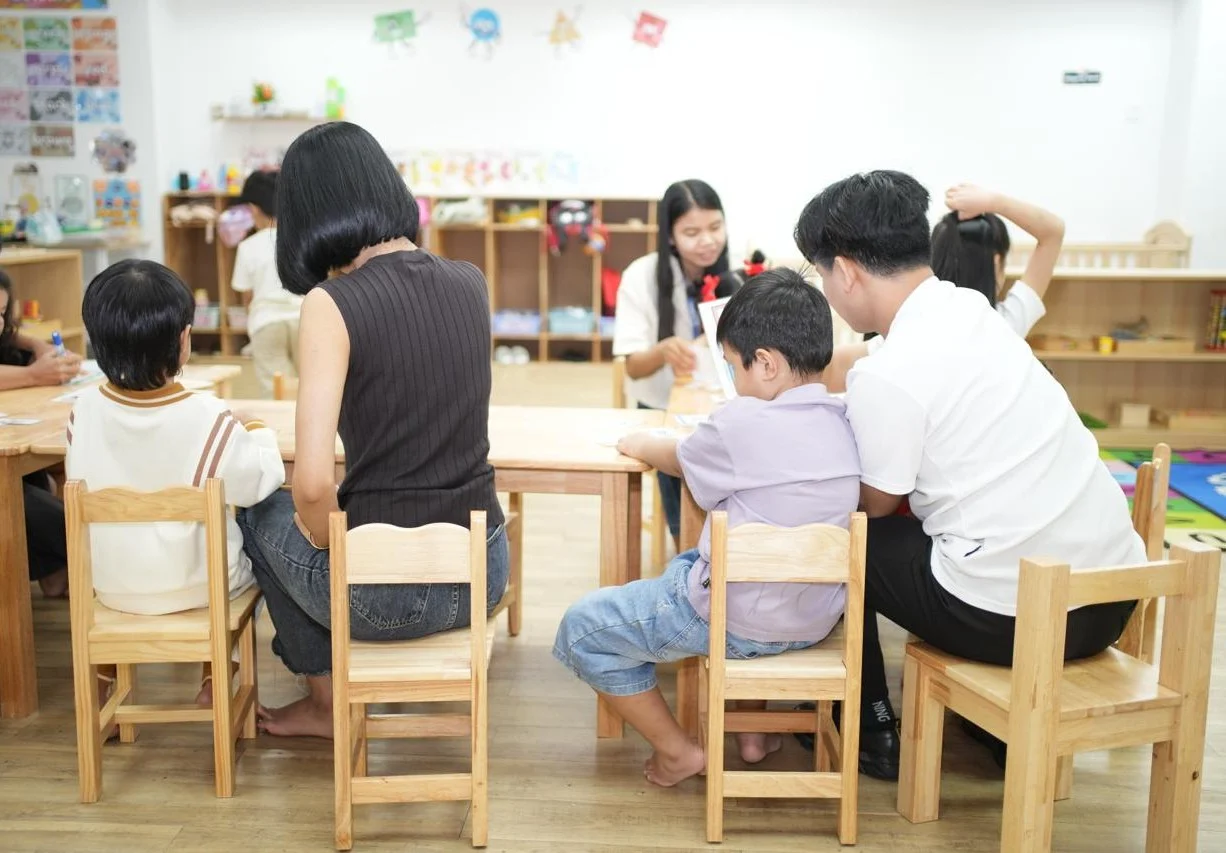
In Cambodia, more families are beginning to recognize that preschool is not simply childcare. It is an environment where children build routines, confidence, relationships, and readiness for school life. At OrbRom Center, preschool focuses on supporting the whole child through structured play, social interaction, communication, movement, and guided learning experiences.
Preschool Helps Children Develop Social and Emotional Skills
For many young children, preschool is their first experience learning in a group environment. This is where they begin practicing skills such as sharing, waiting, taking turns, following routines, expressing emotions, and interacting with peers.
These early social experiences are essential for emotional development and school readiness.
Some children naturally adapt quickly, while others may need additional support with transitions, communication, attention, or regulation. A structured preschool environment helps children gradually build confidence and independence in a safe and supportive setting.
Parents can also learn more about school readiness for children with special needs and how early support strengthens future learning outcomes.
Learning Through Play Builds Stronger Foundations
Young children learn best through play and hands-on experiences. Activities involving movement, sensory play, storytelling, art, music, pretend play, and problem-solving help strengthen cognitive and developmental skills naturally.
Play-based learning also supports communication, creativity, flexibility, and emotional regulation.
At OrbRom Center, preschool activities are designed to encourage exploration while building important developmental skills. Children engage in structured routines that support early literacy, fine motor development, attention, communication, and social interaction.
Families interested in early childhood education can explore our preschool program and how structured early learning environments support growing minds.
Preschool Supports Communication Development
Language development grows rapidly during the preschool years. Children are constantly learning new vocabulary, sentence structures, social communication skills, and ways to express their thoughts.
Preschool environments encourage communication through songs, conversations, group activities, storytelling, and collaborative play. Children who experience speech or language difficulties may particularly benefit from early structured support.
Articles such as building early communication skills through play and how preschool boosts communication in children explain how early learning environments strengthen communication naturally.
Routine and Structure Prepare Children for School
One of the biggest benefits of preschool is helping children become comfortable with routines and expectations. Following schedules, transitioning between activities, participating in group learning, and developing independence all prepare children for future educational settings.
Children who attend structured preschool programs often enter primary school with stronger self-regulation, attention, and classroom participation skills.
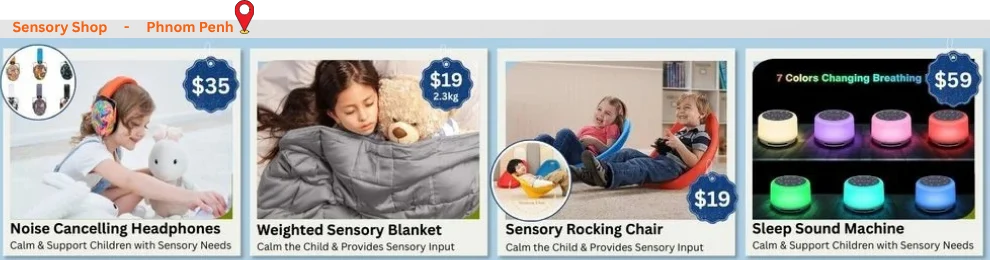
At OrbRom Center, preschool routines are carefully designed to balance structure, movement, sensory support, and play. This helps children feel secure while gradually developing the confidence needed for more formal learning environments.
As awareness of early childhood development continues to grow in Cambodia, more parents are recognizing the long-term value of quality preschool education. The goal is not to pressure children academically at an early age, but to build the developmental foundation that allows them to learn, communicate, and participate confidently in the future.

Leave A Comment