
The Role of Teaching Assistants in Special Education
At OrbRom Learning Support Center, the role of teaching assistants in special education is not treated as an optional extra—it is embedded into the core structure of their preschool program. In today’s inclusive education landscape, having consistent, individualized support is essential for helping young learners thrive, especially those with diverse developmental needs.

One standout approach highlighted by OrbRom Preschool is their low student-to-teaching assistant ratio. Maintaining approximately one teaching assistant for every 1.5 students allows for highly responsive, individualized attention. This structure reflects a growing understanding in special education that early intervention and personalized support can significantly impact a child’s long-term development.
Why Individualized Support Matters in Preschool
In any preschool setting, children are developing foundational skills in communication, social interaction, and emotional regulation. For children who require additional support, teaching assistants play a critical role in bridging the gap between instruction and understanding.
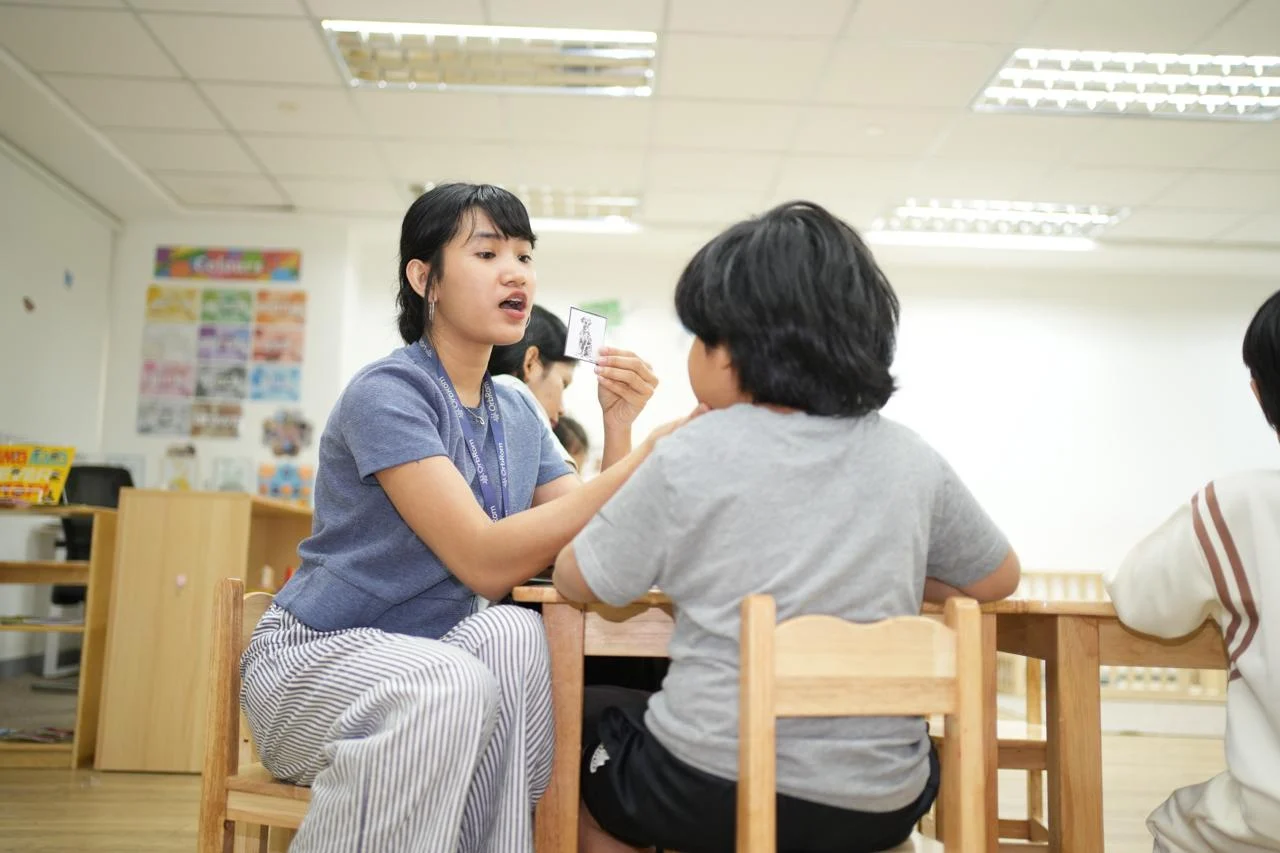
At OrbRom Learning Support Center, teaching assistants actively support engagement during classroom activities, helping children stay focused and involved. This is particularly important for children who may struggle with attention, sensory processing, or language comprehension. By providing immediate guidance and reinforcement, teaching assistants help ensure that learning remains accessible and meaningful.
Supporting Communication and Participation
Another key function of teaching assistants in special education is facilitating communication. In many preschool classrooms, children are still developing expressive and receptive language skills. Teaching assistants at OrbRom Preschool help simplify instructions, model appropriate responses, and encourage participation during group activities.
This level of support is essential not only for academic learning but also for social development. When children feel understood and capable of expressing themselves, they are more likely to engage with peers and build positive relationships. Teaching assistants often act as a bridge between the child and the classroom environment, ensuring that no child feels left behind.
Managing Routines, Transitions, and Emotional Regulation
Transitions and routines can be challenging for many young learners, particularly those with special educational needs. Teaching assistants help children navigate these moments smoothly by providing structure, predictability, and reassurance.
At OrbRom Learning Support Center, teaching assistants support daily routines and help children regulate their emotions throughout the day. Whether it is transitioning between activities, managing frustration, or adapting to new situations, their presence provides stability. This consistency contributes to a calm and structured classroom environment where children feel safe and ready to learn.
Collaboration with Teachers and Therapists
One of the most important aspects of an effective special education program is collaboration. Teaching assistants at OrbRom Preschool work closely with teachers and therapists to ensure consistency in each child’s developmental plan.
This collaborative approach allows for better tracking of progress and more targeted interventions. When teaching assistants are aligned with educators and specialists, they can reinforce strategies throughout the day, maximizing the impact of each intervention. This level of coordination is particularly beneficial in inclusive classrooms where multiple professionals contribute to a child’s development.
Building an Inclusive Learning Environment
Ultimately, the presence of dedicated teaching assistants contributes to a more inclusive and responsive learning environment. At OrbRom Learning Support Center, their commitment to quality support ensures that every child receives the attention and guidance needed to succeed.
Inclusive education is not just about placing children in the same classroom—it is about providing the right support systems to help each child reach their potential. Teaching assistants are a vital part of that system, offering the consistency, patience, and individualized care that young learners need during their early years.
As more schools recognize the importance of early intervention and inclusive practices, models like the one implemented at OrbRom Preschool serve as valuable examples. Investing in teaching assistants is not just beneficial for children with additional needs—it enhances the overall quality of education for every student.

Leave A Comment