
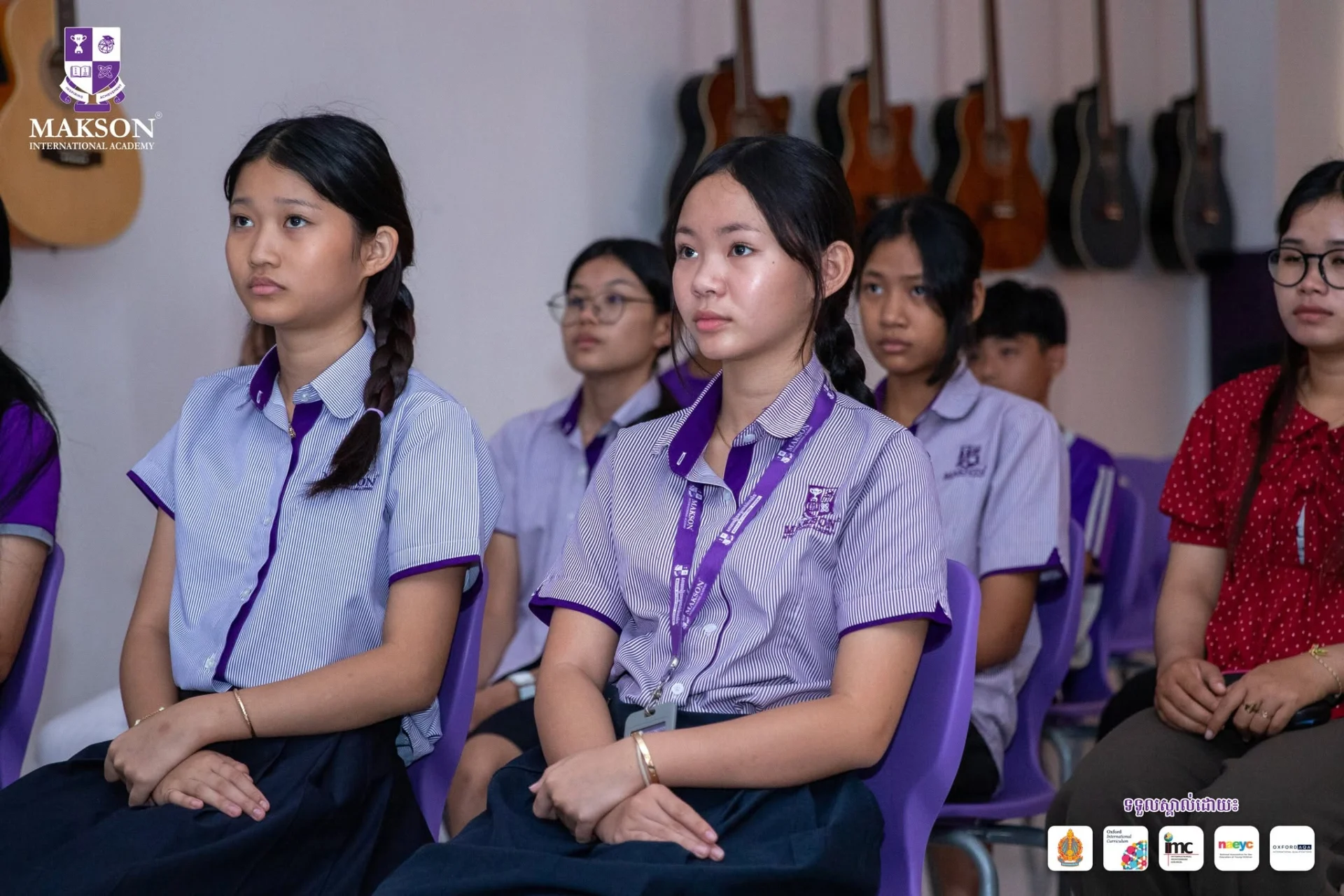
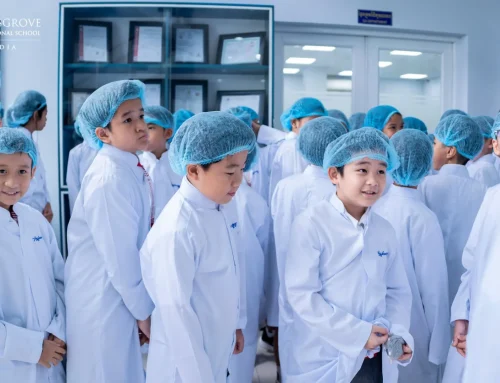
On 28 November 2026, secondary students at MAKSON International Academy’s 598 Campus participated in a cultural learning activity dedicated to Khmer shadow theatre (Sbek Thom) and Lkhon Khol Wat Svay Andet. According to the school, the event commemorated the 21st anniversary of UNESCO’s recognition of Sbek Thom and the eighth anniversary of the inscription of Lkhon Khol Wat Svay Andet.

Exploring Cambodian performing arts
Sbek Thom uses large leather figures to tell stories through shadow theatre. Lkhon Khol is a masked dance-drama tradition that communicates stories through movement, music and costumes. Both offer students opportunities to examine the relationship between artistic expression and cultural knowledge.

The school described the traditions as expressions of creativity, beliefs and knowledge transmitted across generations. The activity provided an opportunity to introduce secondary students to these aspects of Cambodian heritage.
Connecting cultural heritage with classroom learning
Traditional performing arts can provide useful material for lessons in history, literature and visual arts. Students can examine how stories are communicated through images, gestures and sound, and consider how different artistic techniques contribute to a performance.

Shadow theatre, for example, can introduce questions about the relationship between light and visual representation. Masked dance-drama can provide a starting point for discussing how movement and costume communicate a character’s role. These are possible educational connections rather than additional classroom activities confirmed by the school.
Understanding cultural preservation
Learning about traditional arts gives young people opportunities to consider how knowledge is passed from one generation to the next. Performing arts depend on people learning and practising specific skills, including the preparation of materials, musical accompaniment and performance techniques.
Students can explore why these skills require time to develop and how communities can support opportunities for younger generations to learn them. Teachers can use cultural material to encourage questions about the historical and social contexts of artistic traditions.
UNESCO recognition also provides a starting point for discussing intangible cultural heritage. Unlike physical monuments, living traditions depend on continued practice and transmission. Understanding this distinction can help students appreciate the relationship between cultural preservation and education.
Encouraging cultural awareness in secondary education
Schools can introduce cultural heritage through classroom discussions, educational films and other age-appropriate learning resources. Students may benefit from comparing different storytelling traditions and identifying how artistic forms communicate ideas within their communities.
For students in Cambodia, learning about local performing arts offers an opportunity to develop knowledge of their country’s cultural practices alongside their academic studies. It can also encourage further exploration of the people and communities responsible for maintaining these traditions.
Families interested in extending this learning outside school can discuss traditional stories with their children, explore educational resources about Cambodian performing arts or attend suitable cultural performances when available.
MAKSON International Academy 598 Campus
The November 2026 activity at MAKSON International Academy brought attention to two Cambodian performing arts traditions through a dedicated cultural learning experience. The school’s announcement emphasized the importance of respecting and preserving knowledge inherited from previous generations.
For further school news and educational updates, visit Education Cambodia.
Source: MAKSON International Academy Facebook announcement.
Leave A Comment