
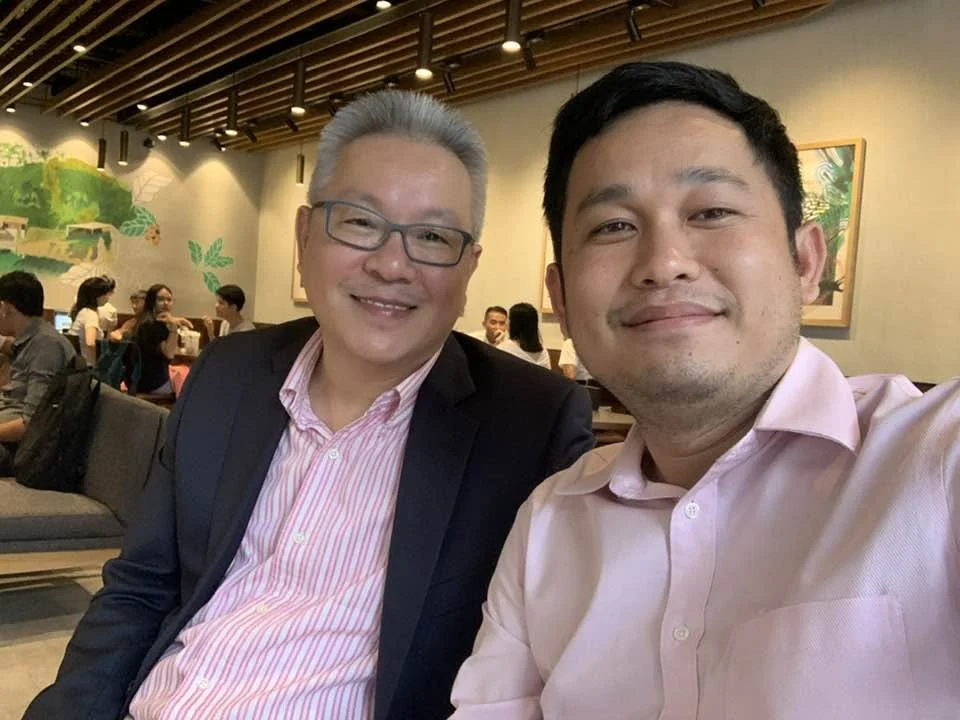

In a Facebook reflection shared on November 8, 2026, Mengly J. Quach, MD, MPH, expressed gratitude for the achievements of people he has guided. His message focused on the value of mentorship in education, describing the satisfaction of seeing former students or mentees grow, succeed and apply the principles they learned. The accompanying photograph shows him seated with another man in an informal setting.
Mentorship in education and the meaning of success

Quach’s message responded to kind words and to someone’s recollection of lessons they had shared. He wrote about feeling joy and pride when those lessons continue to influence a person’s development. The post did not identify the other person in the photograph or provide details of their relationship, so it should not be read as confirmation of a particular student, colleague or professional achievement.
A central idea in the reflection is that an educator’s work extends beyond a lesson or classroom encounter. Teachers and mentors can provide guidance that learners carry into later decisions, including how they approach work, relationships and responsibilities. The lasting value of that guidance is often difficult to measure through examination scores alone.
The message also distinguishes personal success from the effect a person has on others. Quach encouraged continued growth, humility, integrity and support for the next generation. These are values he explicitly named, rather than claims about the outcomes of a particular educational programme.
How effective mentoring can support learners
Mentorship can take different forms across schools, universities and workplaces. A classroom teacher might help a student develop study habits, while an academic adviser might discuss educational choices. A more experienced colleague may offer feedback on professional conduct or problem-solving. Each relationship requires clear expectations and respect for the learner’s independence.
Good mentoring often involves listening carefully before offering advice. Learners benefit when they can describe their goals, ask questions and consider several possible approaches. Constructive feedback is most useful when it identifies a specific behaviour or skill to improve and gives the learner an opportunity to practise.
Mentors can also model how to respond to setbacks. A discussion about a mistake, followed by a realistic plan for improvement, may be more useful than praise without explanation. However, mentoring does not guarantee success; outcomes depend on the learner’s circumstances, available opportunities and the quality of ongoing support.
Why humility and integrity matter in education
Quach’s emphasis on humility and integrity provides a useful starting point for conversations about character development. Humility can include acknowledging mistakes, accepting feedback and recognising contributions from others. Integrity involves making decisions consistently with stated principles, including when doing so is inconvenient.
Schools can make these ideas concrete through everyday routines. Teachers may explain why accurate attribution matters in assignments, encourage students to take responsibility for group work and demonstrate respectful disagreement. Families can reinforce similar habits by discussing choices and their consequences without expecting children to be perfect.
The post’s encouragement to inspire the next generation also raises an important question for educators: how can learners eventually support others? Peer tutoring, collaborative projects and opportunities to share knowledge can provide practical experiences of responsibility. Such activities need appropriate guidance and should suit students’ ages and abilities.
A message for educators and families in Cambodia
For parents and teachers in Cambodia, the reflection offers a reminder to notice development beyond grades or formal awards. Persistence, honesty, consideration for others and willingness to learn can all be discussed and supported through ordinary interactions.
Educators can recognise progress by giving specific feedback, while families can ask children what they learned from a challenge and whom they helped. These conversations make broad values easier to understand and practise.
Mengly J. Quach’s November 8 message presents mentorship in education as a continuing relationship between guidance and personal growth. Its central encouragement is to keep learning, act with integrity and use one’s experience to support others.
If the information about this school is inaccurate or incomplete, Contact Us.
Would you like to register your school? Click Here.



Leave A Comment