
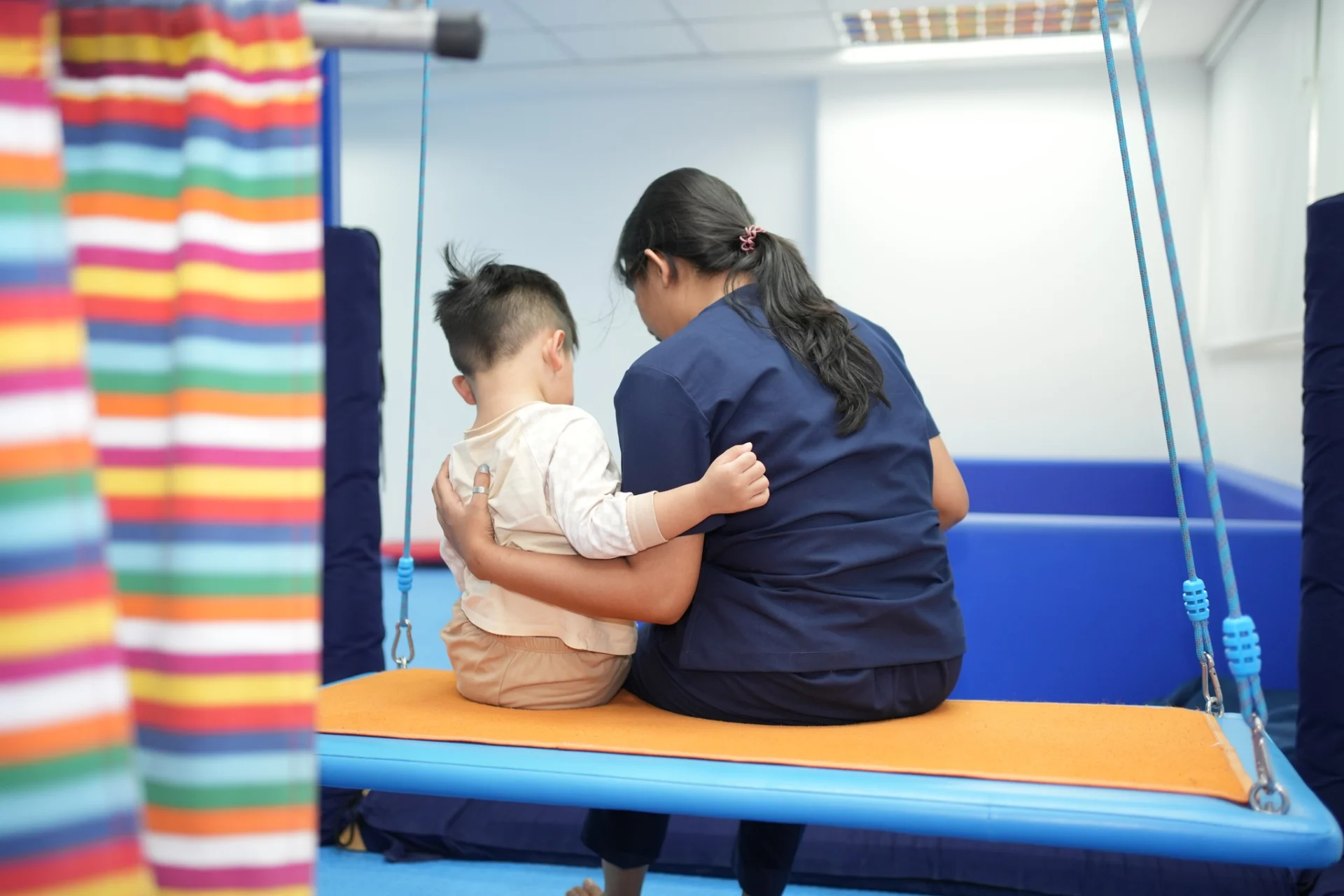

Education in Cambodia is changing. More schools, teachers, and parents are recognizing that children learn differently and that academic success is connected to much more than reading and writing alone. Skills such as attention, emotional regulation, motor coordination, sensory processing, and independence all play an important role in a child’s ability to participate in school successfully.

This is one reason why occupational therapy is becoming increasingly important within educational settings across Cambodia.
At OrbRom Center, occupational therapists work closely with children who experience challenges with classroom participation, attention, transitions, fine motor skills, sensory regulation, and daily school routines. These are often the hidden barriers that affect learning, even when a child is intelligent and motivated.
Our recent article on occupational therapy in education explores how therapy supports children in becoming more engaged, regulated, and independent learners.
Learning Challenges Are Not Always Academic
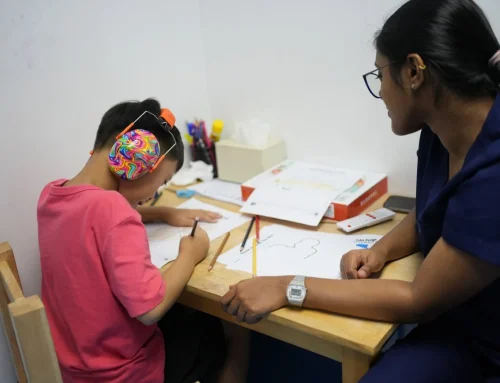
Many children struggle in school not because they lack intelligence, but because they face difficulties in the foundational skills needed for learning. A child may find it difficult to sit upright for long periods, hold a pencil properly, follow multi-step instructions, cope with classroom noise, or manage frustration during transitions.
These challenges can affect confidence, participation, and behavior in the classroom.
Occupational therapy focuses on strengthening the underlying skills that support learning. This includes posture, coordination, sensory processing, emotional regulation, body awareness, motor planning, and attention.
Parents and educators can also explore strategies related to sensory processing challenges in children and how these difficulties can impact school participation.
Inclusive Education Requires Practical Support
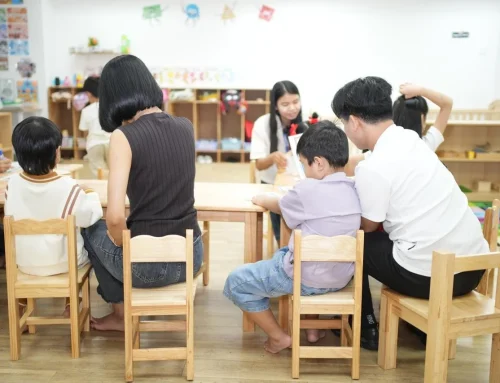
Inclusive education is growing in Cambodia, particularly in Phnom Penh and within international school environments. However, inclusion is most effective when children receive the right support to access learning meaningfully.
Occupational therapists help adapt the learning environment and provide strategies that make participation easier for students. This may include movement breaks, visual supports, sensory strategies, classroom seating adjustments, or fine motor interventions.
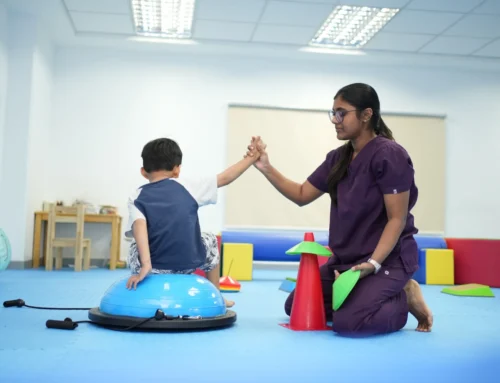
At OrbRom Center, occupational therapy sessions are individualized to each child’s developmental profile and educational needs. Therapy often combines movement, play, structured tasks, and sensory activities to help children improve regulation and independence.
Families looking for occupational therapy services often seek support when children struggle with school routines, attention, handwriting, emotional regulation, or coordination.
Sensory Regulation and Attention in the Classroom
One of the biggest challenges many children face in educational settings is sensory overload. Busy classrooms, loud environments, long sitting periods, and transitions can overwhelm some children’s nervous systems.
When children are dysregulated, learning becomes difficult.
Occupational therapy uses sensory-based strategies to help children remain calm, focused, and organized throughout the school day. Activities involving movement, balance, tactile play, and heavy work help children regulate their bodies and attention more effectively.
Articles such as the power of sensory rooms for emotional regulation and focus and supporting sensory needs and transition skills provide additional insight into how sensory support benefits children in educational environments.
Early Support Creates Better Long-Term Outcomes
Early intervention remains one of the most important factors in child development. When developmental challenges are identified early, children are more likely to build the skills needed for school success and independence.
In Cambodia, awareness of developmental support services continues to grow. More parents are seeking guidance when they notice difficulties with attention, behavior, sensory processing, handwriting, or emotional regulation.
For some children, a professional developmental assessment can help identify strengths and areas requiring support, allowing therapists and educators to create targeted intervention plans.
Education is not only about academic achievement. It is about helping children participate confidently in school, relationships, play, and everyday life. Occupational therapy is becoming an essential part of that process in Cambodia.
Leave A Comment