
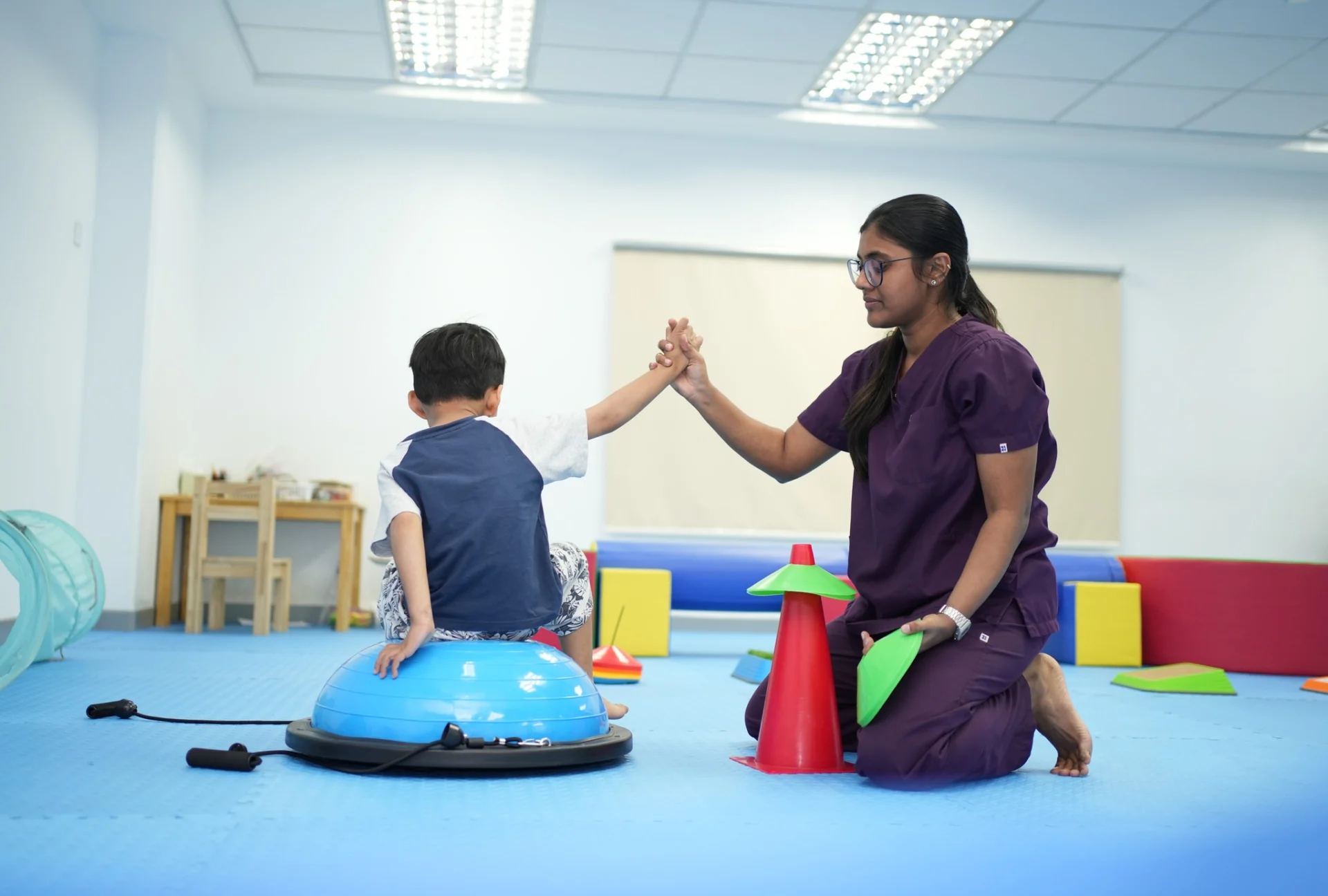

Occupational therapy in Cambodia is often misunderstood as simply physical exercises or playtime. In reality, it is a carefully planned, evidence-based approach that supports a child’s ability to participate meaningfully in daily life, learning, and social environments. The work highlighted by OrbRom Learning Support Center shows how purposeful movement, trust, and consistency come together to create real developmental progress for children with diverse needs.
In occupational therapy in Cambodia, therapists design activities that look simple on the surface but are grounded in clinical reasoning. Balance work, core-strength activities, and guided movement are not chosen at random. Each task is selected to strengthen the underlying skills that children need for attention, self-regulation, coordination, and confidence—skills that directly impact classroom participation and independence.
Why Movement Matters in Occupational Therapy
Movement is a powerful tool in occupational therapy in Cambodia because the body and brain develop together. Activities that challenge balance and posture help strengthen core muscles, which are essential for sitting upright at a desk, maintaining focus, and controlling fine motor movements like writing or cutting. When a child practices balance on unstable surfaces, they are also learning how to organize sensory input and respond calmly to physical challenges.
These experiences build more than physical strength. They support emotional regulation and resilience. Children who learn how to manage their bodies in space often show improved confidence and reduced frustration when faced with new or demanding tasks at school.
The Role of Trust and Consistency
Effective occupational therapy in Cambodia relies heavily on the relationship between the therapist and the child. Trust allows children to attempt tasks that feel challenging or unfamiliar. Consistency helps them understand expectations and feel safe enough to explore their abilities.

At OrbRom Learning Support Center, therapists use structured routines combined with flexibility. This balance helps children feel secure while still being gently pushed to develop new skills. Over time, repeated success in small steps leads to noticeable improvements in participation, independence, and self-belief.
Supporting Learning Beyond the Therapy Room
One of the key goals of occupational therapy in Cambodia is transfer—helping children use the skills they learn in therapy across different environments. Balance, coordination, and regulation skills developed during sessions support learning in classrooms, playgrounds, and at home.
For teachers, these foundational skills mean students are better able to follow instructions, stay seated, transition between activities, and engage with peers. For parents, progress may appear as improved independence, better emotional control, or increased willingness to try new activities.
A Growing Need for Occupational Therapy in Cambodia
As awareness of inclusive education grows, occupational therapy in Cambodia is becoming an essential service for schools and families. Early intervention plays a crucial role in helping children develop the foundational skills they need before academic demands increase. When these supports are provided early and consistently, children are more likely to thrive in mainstream and inclusive learning environments.
The work showcased by OrbRom Learning Support Center reflects a broader shift toward professional, child-centered support services in Cambodia. It highlights how structured play, guided by trained therapists, can lead to meaningful and lasting outcomes for children with developmental, sensory, or learning challenges.


Leave A Comment