
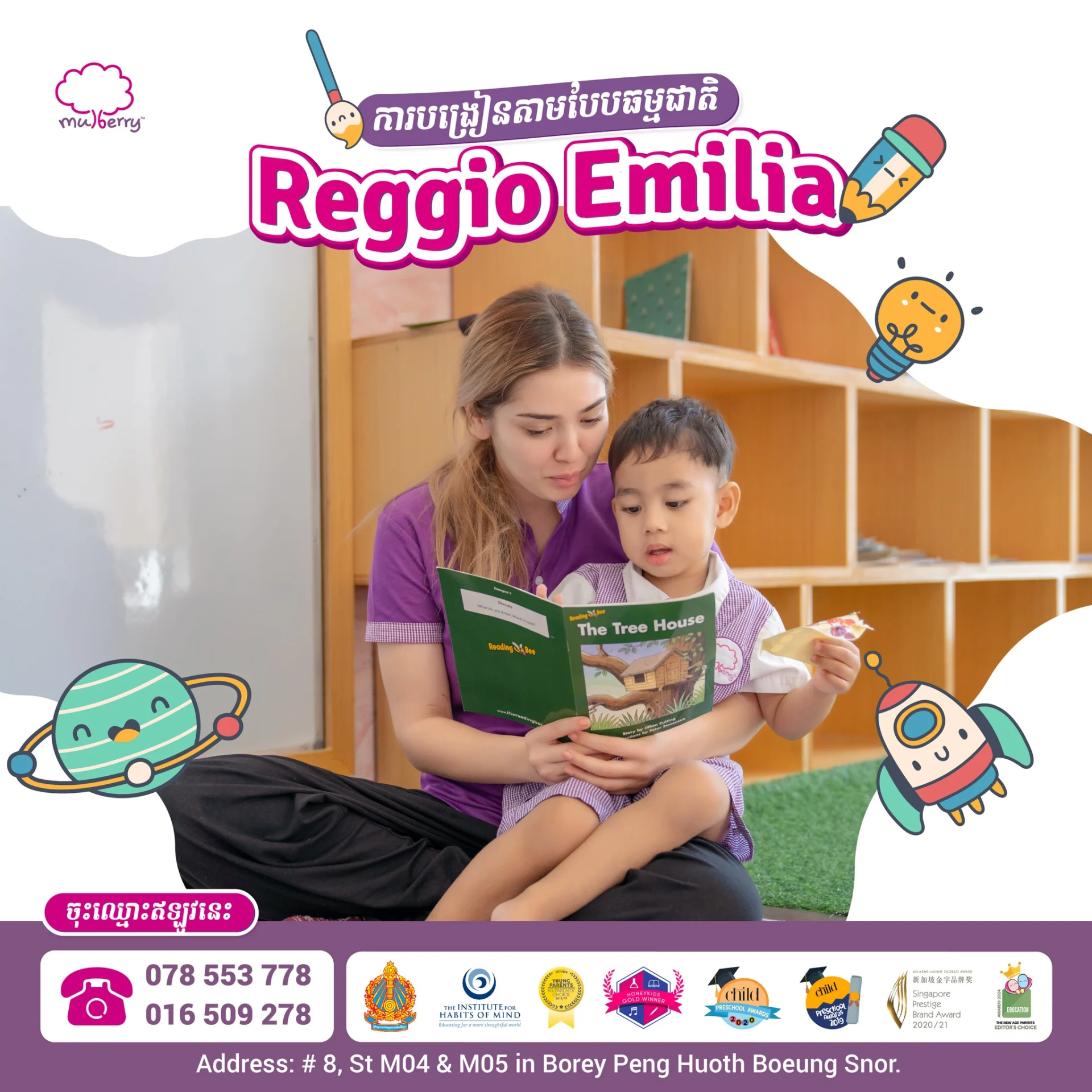
Mulberry International Preschool Cambodia is gaining attention for its innovative approach to early childhood education, rooted in the globally respected Reggio Emilia philosophy. This child-centered model emphasizes curiosity, creativity, and active participation, making Mulberry International Preschool Cambodia a compelling choice for parents and educators seeking meaningful learning experiences for young children.

At the heart of Mulberry International Preschool Cambodia is the belief that children are capable, curious, and full of potential. Rather than relying on traditional teacher-led instruction, the school encourages children to explore, ask questions, and engage in hands-on learning. This approach aligns with modern educational research, which highlights the importance of inquiry-based learning in developing critical thinking and problem-solving skills from an early age.
A Learning Environment Designed for Exploration
One of the standout features of Mulberry International Preschool Cambodia is its carefully designed learning environment. Classrooms are not just spaces for instruction—they are dynamic environments that inspire exploration and collaboration. Materials are thoughtfully selected to encourage creativity, while open-ended activities allow children to express themselves in multiple ways.
This type of environment supports sensory development, social interaction, and independence. Children are given the freedom to choose activities, work with peers, and engage deeply with topics that interest them. For parents in Cambodia looking for a preschool that goes beyond rote learning, this approach offers a refreshing alternative.
The Role of Educators in Reggio Emilia
Educators at Mulberry International Preschool Cambodia play a crucial role as facilitators rather than instructors. They observe children closely, document their progress, and guide learning based on each child’s interests and developmental stage. This individualized attention ensures that every child’s voice is heard and valued.
Documentation is another key component. Teachers record children’s activities, conversations, and creations, which are then shared with parents. This transparency strengthens the partnership between school and family, allowing parents to better understand their child’s learning journey.
Building Strong Family Partnerships
Mulberry International Preschool Cambodia places strong emphasis on collaboration with families. Parents are not just observers but active participants in their child’s education. Regular communication, updates, and opportunities for involvement create a supportive community around each child.
This partnership is particularly important in early childhood education, where consistency between home and school environments can significantly impact development. By working closely with families, the school ensures that children receive holistic support both academically and emotionally.
Why Reggio Emilia Matters in Cambodia
The introduction of the Reggio Emilia approach in Cambodia represents a shift toward more progressive and child-focused education. As more parents become aware of different teaching philosophies, schools like Mulberry International Preschool Cambodia are setting new standards for quality early education.
This approach is especially valuable in developing skills such as communication, collaboration, and creativity—skills that are increasingly important in today’s world. For professionals, educators, and parents in Cambodia, understanding and embracing such methodologies can contribute to better educational outcomes for the next generation.
Final Thoughts
Mulberry International Preschool Cambodia demonstrates how a well-implemented Reggio Emilia approach can transform early childhood education. By focusing on the child’s natural curiosity and fostering a supportive, engaging environment, the school provides a strong foundation for lifelong learning. As education in Cambodia continues to evolve, institutions like this play a key role in shaping a more thoughtful and inclusive future for young learners.


Leave A Comment