
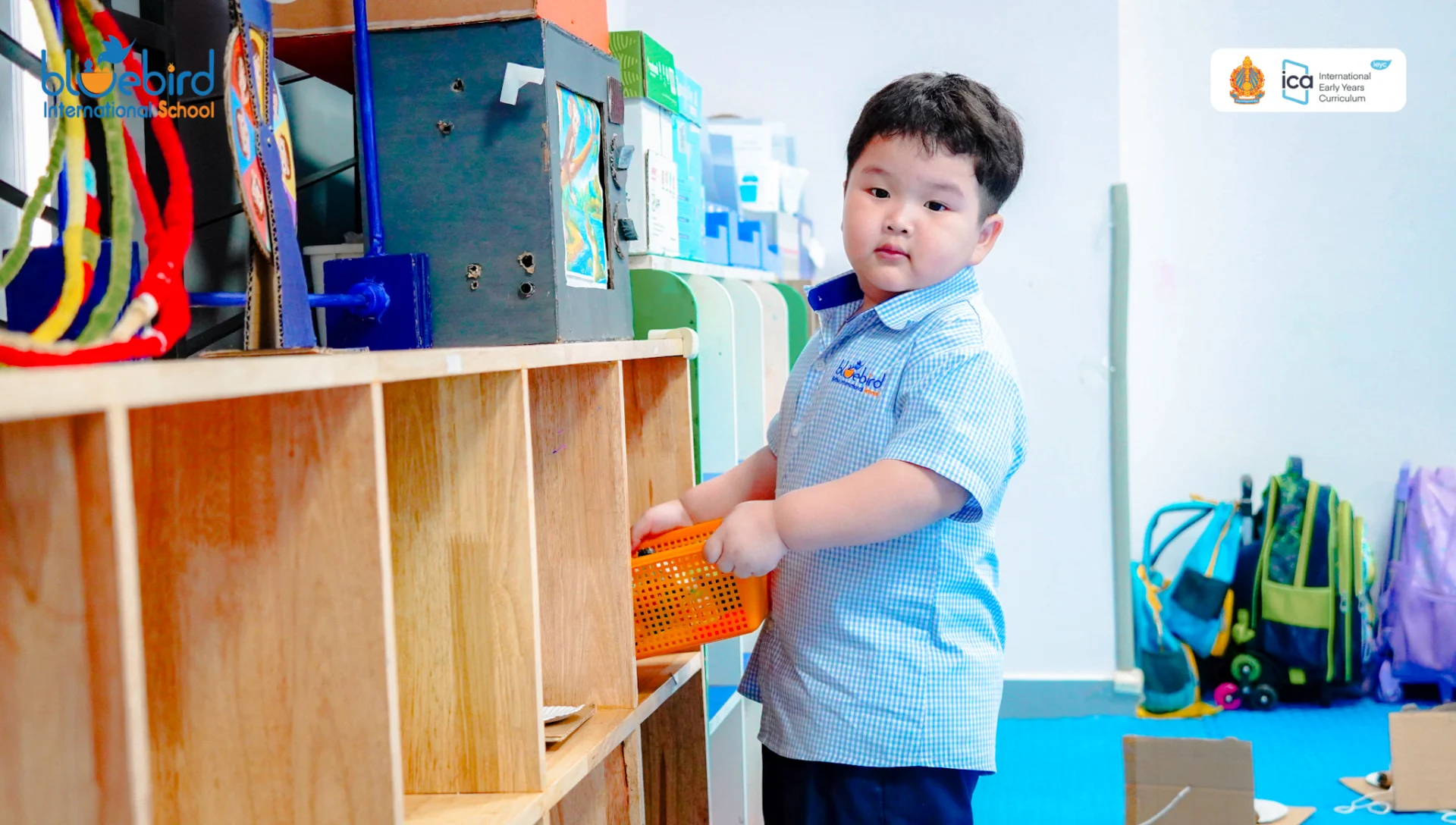
Bluebird International School is helping young learners build independence and responsibility through practical classroom routines that encourage organization, self-management, and respect for shared learning spaces. In early childhood education, these everyday habits are essential for developing confidence, discipline, and readiness for future academic success.

At Bluebird International School, students are learning that education is not only about academic knowledge. Young children are also taught how to organize their materials, return items to the correct places, and participate actively in maintaining a clean and structured classroom environment. These small but meaningful routines help children develop responsibility from an early age while supporting social and emotional growth.
For many parents and educators, one of the biggest goals in early years education is helping children become more independent. Activities such as cleaning up after playtime, organizing classroom materials, and following classroom routines teach children how to take ownership of their environment. Over time, these habits can positively influence behavior both at school and at home.
Why Classroom Organization Matters in Early Childhood Education
A well-organized classroom creates a calm and predictable learning environment. Young children often learn best when routines are clear and expectations are consistent. When students understand where learning materials belong and how to manage classroom tools independently, they are more likely to stay focused and engaged during activities.
Bluebird International School’s approach highlights the importance of practical life skills alongside academic instruction. These routines also support the development of executive functioning skills such as planning, attention, memory, and task completion. These foundational abilities are critical for long-term academic success.
Many international schools and preschools across Cambodia are increasingly recognizing the value of combining academic learning with social-emotional and practical skill development. Encouraging children to organize their belongings and participate in classroom responsibilities can also strengthen teamwork, communication, and self-confidence.
Building Responsibility Through Daily Practice
One of the most effective ways to teach responsibility is through repetition and consistency. Young learners benefit when they are given opportunities to practice independence every day in meaningful ways. Returning toys after playtime, organizing books, and helping maintain classroom order all contribute to the development of positive lifelong habits.
Teachers also play a major role in modeling these behaviors. In structured classroom settings, children observe routines and gradually learn to follow them independently. This process supports not only academic readiness but also emotional regulation and self-discipline.
Schools that focus on holistic child development often integrate practical classroom routines into their daily schedules. This approach helps students become active participants in their own learning environment rather than passive learners.
Families looking for additional support for children with developmental, communication, or learning difficulties may also explore services such as speech therapy and occupational therapy, which can further strengthen independence, attention, and self-regulation skills in children.
The Importance of Early Years Education in Cambodia
As education in Cambodia continues to evolve, many schools are placing greater emphasis on child-centered learning approaches that support independence, creativity, and social development. International schools like Bluebird International School are contributing to this movement by creating learning environments where children can develop both academically and personally.
Practical classroom routines may appear simple, but they often have a lasting impact on a child’s growth. Skills such as organization, responsibility, and self-management are valuable not only inside the classroom but throughout life.
Parents searching for quality early years education programs often look for schools that balance academics with emotional and practical development. These foundational experiences help children adapt more easily to future educational settings and social situations.
If the information about the school is not accurate and insufficient Contact us.
Do you want to register your school, Click Here.

Leave A Comment