
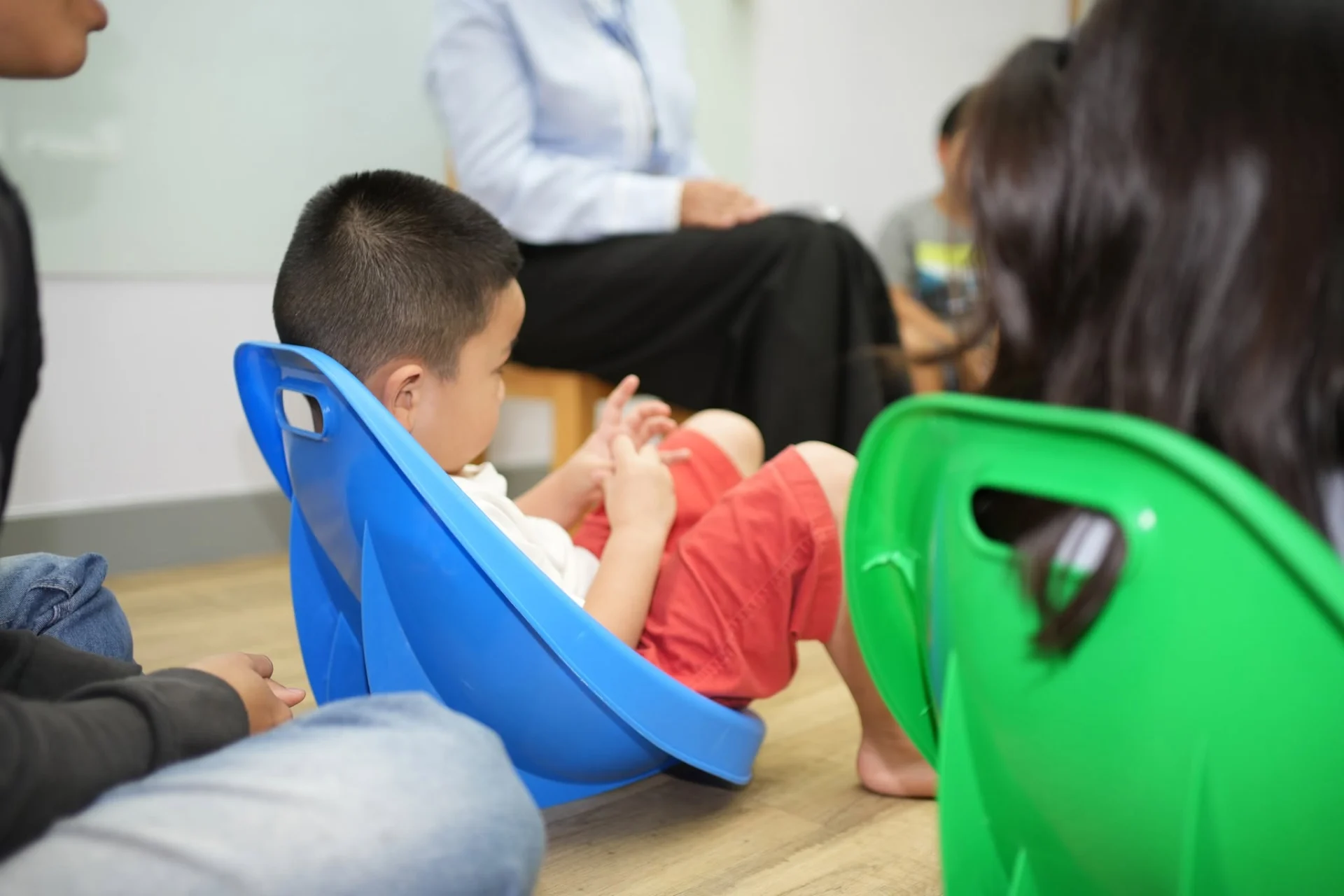
For families raising a child with autism, finding the right educational environment can significantly influence a child’s development, confidence, and long-term success. An autism school in Phnom Penh should provide more than academic instruction. It should offer structure, individualized support, and an understanding of how autistic children learn best.

Many parents initially focus on factors such as location, fees, or curriculum. While these are important considerations, equally important are the school’s approach to communication, sensory needs, emotional regulation, and social development.
What Should Parents Look For?
Children with autism often benefit from environments that provide:
- Predictable routines and visual supports
- Small class sizes with individualized attention
- Teachers trained in autism and special education
- Opportunities to develop communication and social skills
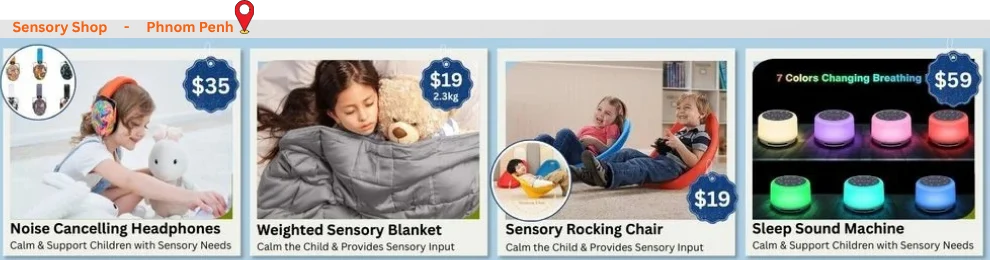
- Sensory-friendly spaces that reduce overwhelm
- Collaboration between educators, therapists, and families
Since autism presents differently in every child, there is no universal educational approach that works for everyone. Some children thrive in inclusive classrooms with accommodations, while others require specialized programs with intensive support.
The Importance of Early and Individualized Support
Early intervention remains one of the strongest predictors of positive developmental outcomes. Identifying a child’s strengths and challenges through comprehensive assessments allows families and professionals to develop targeted educational plans.
Support may include speech and language development, sensory regulation strategies, social communication interventions, and individualized academic instruction. The goal is not to change who a child is but to provide the tools they need to participate meaningfully in school and everyday life.
Making an Informed Decision
Choosing an autism school is an important decision that deserves careful consideration. Parents should visit programs, observe classroom environments, ask about staff qualifications, and understand how progress is monitored.
Families looking for a more comprehensive guide can explore OrbRom Center’s detailed article, Autism School in Phnom Penh: What Parents Should Look For, which provides practical advice on evaluating autism-specific educational programs and support services available in Cambodia.
Supporting Children Beyond the Classroom
Successful educational experiences depend on strong partnerships between parents, schools, and specialists. Consistent communication and shared goals help children generalize skills across different environments.
As awareness of autism continues to grow in Cambodia, more families are seeking educational settings that recognize neurodiversity and prioritize individualized learning approaches. By choosing programs that understand each child’s unique profile, parents can help create a foundation for lifelong learning and independence.
Finding the right autism school in Phnom Penh is not about finding a perfect program. It is about identifying an environment where your child feels understood, supported, and empowered to reach their full potential.

Leave A Comment