


Paragon International School shared how its kindergarten students explored healthy eating during Health & Nutrition Awareness Week 2026. The school’s Facebook post named the theme “Healthy Choices, Healthy Lives” and described activities that included making posters and drawing. The lessons introduced children to the idea that everyday food choices can support growth, give them energy for daily activities, and help them feel well.
What kindergarteners did during Health & Nutrition Awareness Week 2026

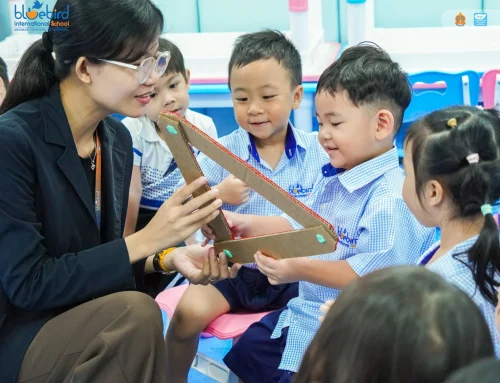
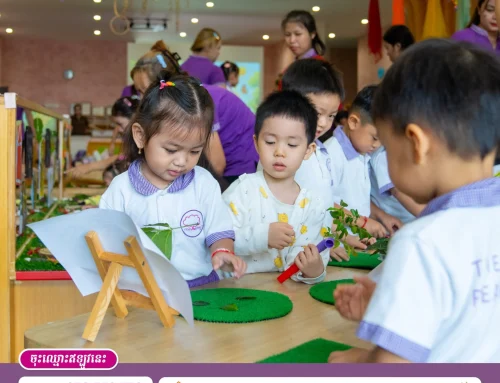
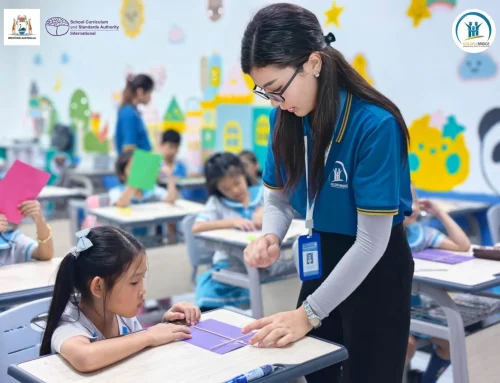
The Facebook photos show an adult speaking beside an event display, with children and staff gathered in a classroom. The school’s caption explains what the kindergarteners worked on. It describes poster-making and drawing as ways for children to explore healthy eating. A poster gives a group something to look at and talk about together. A drawing gives an individual child a way to share an idea even if they are still learning to write.
That distinction matters in kindergarten, where children may know a food by sight or by its name at home before they can label it in the classroom. When a child draws a meal, an adult can ask what they included or who prepares it at home. The answer can open a conversation about familiar foods and the different ways families prepare them.
How teachers can build on a food poster
A class can start with pictures of foods children recognize, such as rice, fish, eggs, bananas, or leafy vegetables. Children can sort the pictures by color or decide which foods they have seen at a market. Another group might draw ingredients that go into a familiar dish. Each task gives children a reason to use words for foods, colors, textures, and ways of preparing a meal.
Teachers can let children explain their drawings in a language they use at home, then help the group find another word for the same food. A child who prefers to point or draw can take part alongside classmates who are ready to speak. Teachers can use those responses to see which foods children recognize and which words could use more practice.
How families can continue the conversation at home
A family meal or a trip to the market offers a chance to revisit the topic. At the market, a parent might invite a child to choose between two fruits the family already buys. At home, the child could help wash vegetables or name the ingredients in a soup. Those small jobs connect classroom vocabulary to things children see and do during the week.
Families can also borrow the drawing idea. A child might sketch a snack they enjoy, then tell an adult where it comes from or how it is prepared. At school or at home, adults can use words such as crunchy, soft, sweet, or sour to talk about food without judging a child’s preferences or the meals a family serves.
Paragon International School’s Health & Nutrition Awareness Week 2026 offers a classroom example families and educators can adapt. A poster can stay on the wall after the event and prompt another conversation at snack time. A drawing can go home and give a child something concrete to show their family. In both settings, familiar foods and everyday routines give children a place to use what they have learned.
If the information about this school is inaccurate or incomplete, Contact Us.
Would you like to register your school? Click Here.

Leave A Comment