
A growing number of parents in Cambodia are searching for practical ways to help children who struggle with focus, emotional regulation, sensory overload, sleep difficulties, or constant movement. This is one reason why the demand for a quality sensory shop continues to increase.

Sensory tools are no longer viewed as simple toys. Many are now commonly used in homes, therapy centers, and classrooms to support children with autism, ADHD, developmental delays, and sensory processing challenges. When used correctly, these tools can help children stay calmer, improve attention, and participate more successfully in everyday activities.
Families exploring the Sensory Shop at OrbRom Center often look for products that can support real-life challenges such as noisy classrooms, bedtime struggles, difficulty sitting still, or emotional meltdowns.
Understanding Sensory Needs in Children
Every child processes sensory information differently. Some children become overwhelmed by sounds, lights, textures, or crowded spaces. Others constantly seek movement, pressure, or tactile input to help their bodies feel regulated.
Sensory difficulties may appear as:
- Covering ears in loud environments
- Difficulty focusing in class
- Constant jumping or movement
- Sleep problems
- Emotional outbursts
- Avoidance of certain clothing or textures
- Difficulty transitioning between activities
These challenges can affect school performance, social interactions, and family routines if left unsupported.
Sensory Products That Can Support Regulation
Choosing the right sensory tools depends on the child’s individual needs. Some products are designed for calming, while others provide movement or sensory stimulation.
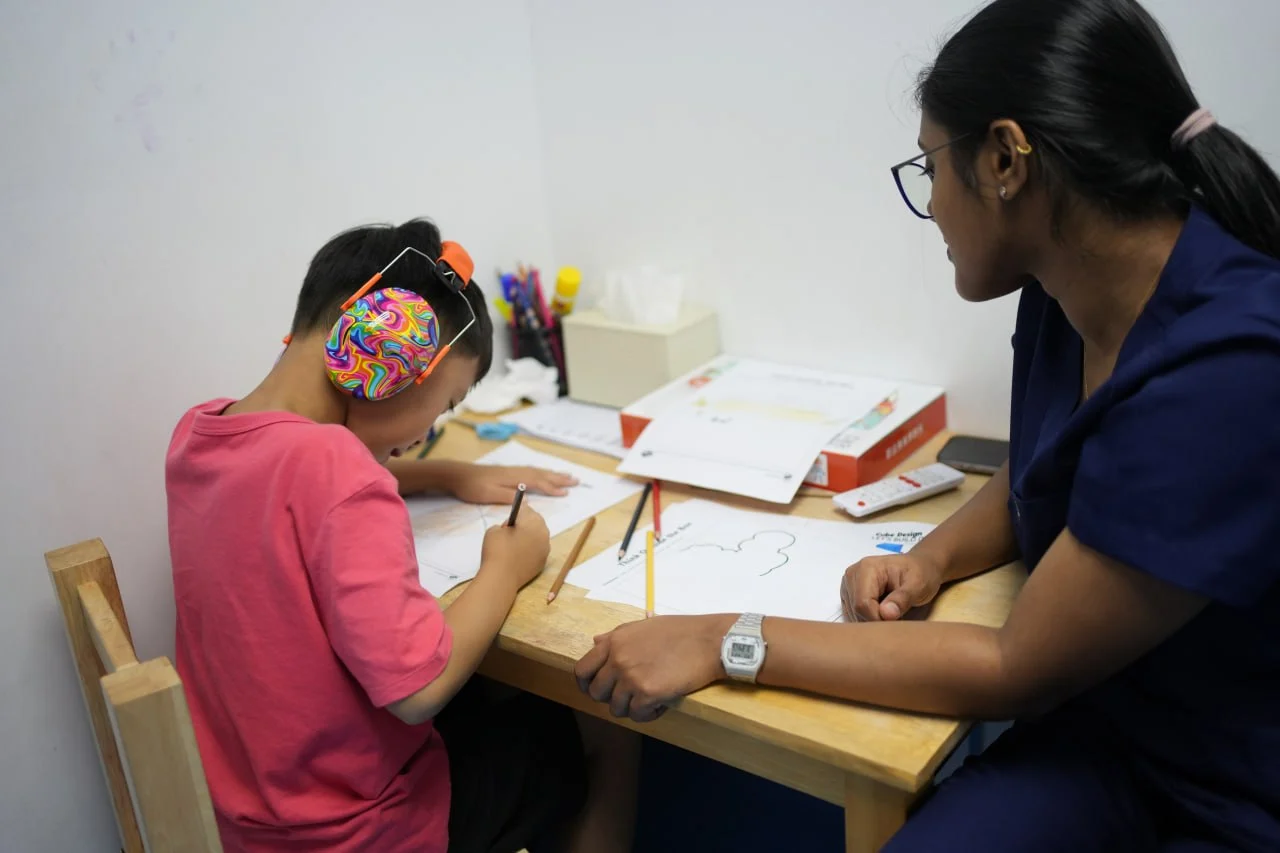
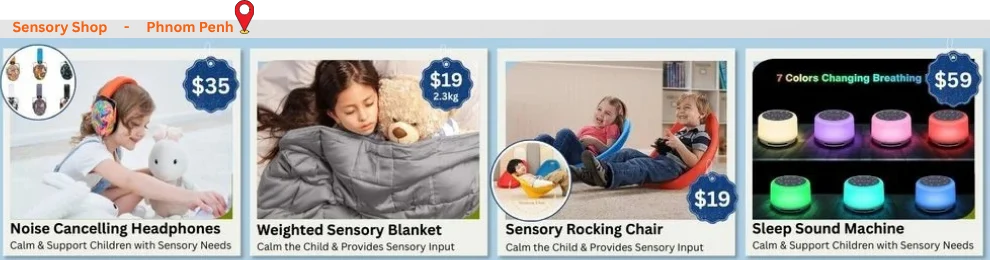
For children sensitive to sound, noise cancelling headphones can reduce overwhelming background noise in classrooms, shopping centers, or busy homes.
Children who struggle with sleep or anxiety may benefit from a weighted sensory blanket. Deep pressure input can help some children feel safer and more relaxed before bedtime.
Movement-seeking children often respond positively to products like the sensory rocking chair, which provides vestibular input while supporting balance and body awareness.
Some children also enjoy the calming pressure of the sensory peapod, especially during moments of overstimulation or emotional dysregulation.
Sensory Tools Work Best With Professional Guidance
Many parents buy sensory products online without understanding which tools are appropriate for their child. While some products can help immediately, others may not match the child’s sensory profile at all.
This is where occupational therapy becomes important. Occupational therapists evaluate how a child processes sensory information and develop strategies that fit the child’s actual needs.
Therapy may focus on:
- Emotional regulation
- Attention and focus
- Fine motor development
- Sensory integration
- Classroom participation
- Daily living skills
Children with autism, ADHD, or sensory processing challenges often benefit most when sensory tools are combined with structured therapeutic support and consistent routines.
Sensory Awareness Is Growing in Cambodia
More schools and families are beginning to understand that sensory regulation plays a major role in learning and behavior. A child who cannot tolerate noise or sensory overload may struggle academically even when they are highly intelligent.
Creating sensory-friendly environments can improve confidence, participation, and emotional wellbeing. Small adjustments such as sensory breaks, movement opportunities, calming spaces, and appropriate sensory tools can make a significant difference.
At OrbRom Center, sensory products are selected to support real challenges faced by children and families in Cambodia, not simply to follow trends. The goal is to help children feel regulated, comfortable, and ready to engage with the world around them.



Leave A Comment