
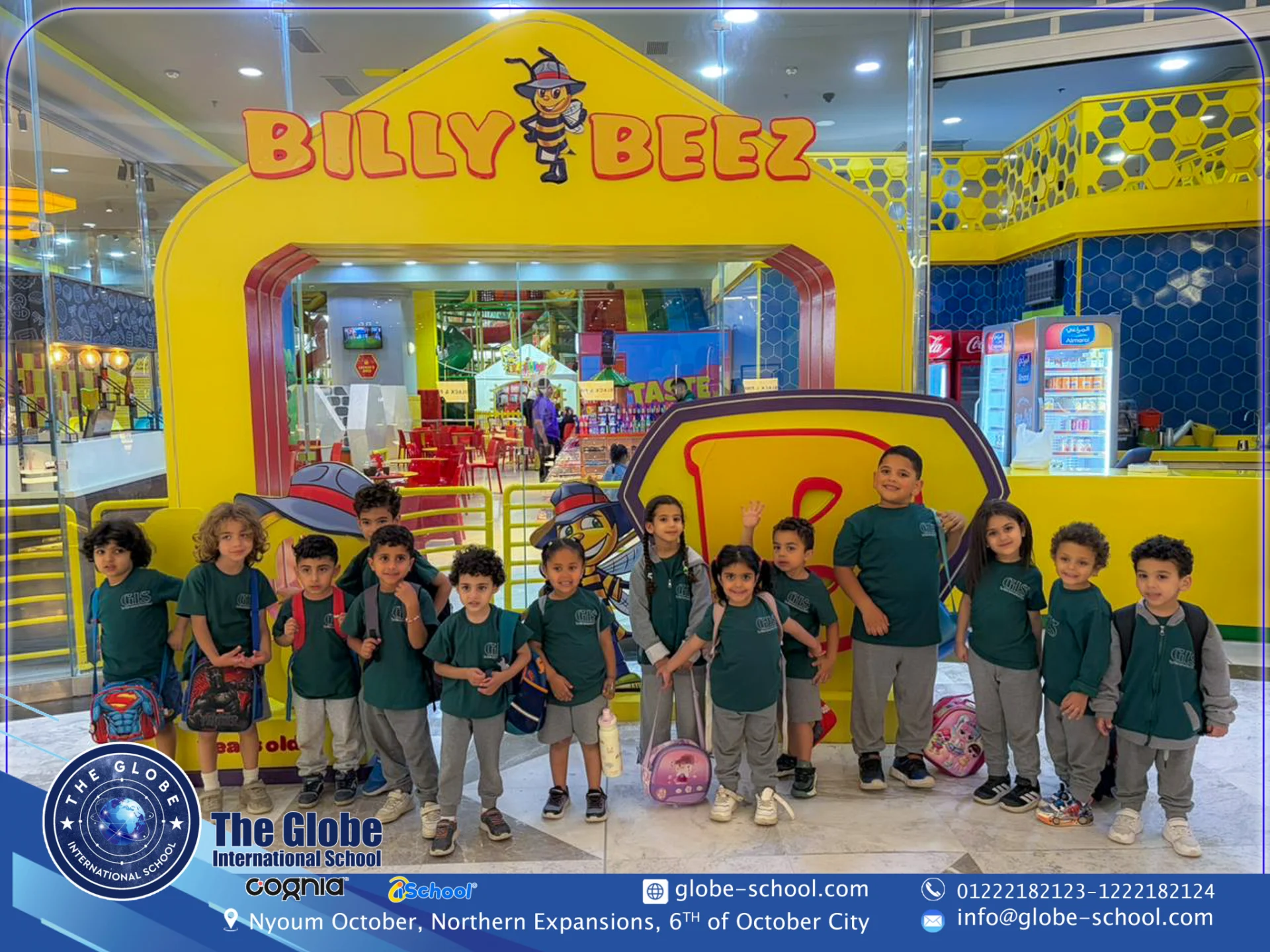

Children learn best when they feel happy, safe, and engaged, and The Globe International School recently demonstrated this through a joyful field trip experience at Billy Beez. The outing gave students an opportunity to explore, play, socialize, and build confidence outside the traditional classroom environment. Experiences like these are becoming increasingly important in modern education in Cambodia, where schools are focusing not only on academics but also on emotional development, communication, teamwork, and creativity.

Educational field trips are more than just fun activities. They help children strengthen social skills, improve peer interaction, and develop independence in real-world environments. The Globe International School’s visit to Billy Beez highlights how schools can create balanced educational experiences that combine learning with enjoyment.
For parents looking for quality education options in Cambodia, activities like these show how schools are investing in the whole child rather than focusing only on textbooks and exams.
Why Play-Based Learning Matters in Early Education
Play-based learning is widely recognized by educators and child development specialists as an essential part of childhood education. When children engage in active play, they improve problem-solving skills, motor coordination, language development, and emotional regulation.
At indoor playgrounds like Billy Beez, children are exposed to exciting physical challenges that encourage movement, exploration, and cooperation. Climbing, crawling, balancing, and navigating different structures help children build physical confidence while also supporting cognitive growth.
Schools that include structured play experiences often notice improvements in classroom participation and student engagement. Children return to school feeling refreshed, connected to their peers, and more motivated to learn.
In Cambodia’s growing international education sector, many schools are now integrating experiential learning opportunities into their programs to support holistic development.
The Importance of Social Interaction Outside the Classroom
One of the most valuable aspects of school outings is the opportunity for students to interact naturally with classmates and teachers in a different environment. Outside the classroom, children often become more expressive, collaborative, and confident.
The Globe International School’s Billy Beez visit appears to have provided students with opportunities to laugh together, solve small challenges, and create shared memories. These experiences contribute to stronger friendships and healthier classroom relationships.
Teachers also benefit from observing students in social environments. It allows educators to better understand communication styles, emotional responses, leadership skills, and social confidence levels among students.
This type of observation can support more personalized teaching strategies once students return to the classroom.
Building Positive School Memories for Young Learners
Many adults remember school trips as some of their happiest childhood memories. Positive experiences during the early years of education help children associate school with excitement, friendship, and personal growth.
When schools organize meaningful outings, students develop a stronger emotional connection to their learning environment. This can improve attendance, classroom participation, and overall school satisfaction.
Parents are increasingly looking for schools that create these balanced experiences. Academic excellence remains important, but emotional well-being and student happiness are now major priorities for many families in Phnom Penh and across Cambodia.
The Globe International School’s approach reflects a growing trend in education where schools aim to nurture confident, socially connected, and emotionally healthy students.
Experiential Learning in Cambodia’s Education Sector
Cambodia’s education landscape continues to evolve, with many schools embracing modern teaching approaches that focus on student-centered learning. Field trips, hands-on activities, and experiential learning opportunities are becoming important components of quality education programs.
By taking students into engaging environments like Billy Beez, schools can reinforce important developmental skills in a natural and enjoyable way. These experiences often support communication, resilience, teamwork, and creativity more effectively than traditional classroom instruction alone.
For families exploring educational options, observing how schools organize extracurricular and experiential activities can provide valuable insight into their teaching philosophy and commitment to student development.
If the information about the school is not accurate and insufficient Contact us
Do you want to register your school, Click Here
Leave A Comment