
Speech Therapy Phnom Penh continues to evolve as technology reshapes how therapists support communication, independence, and daily living skills for children. At OrbRom Learning Support Center, clinicians are integrating interactive digital tools and AAC-based strategies to move beyond traditional therapy models. These approaches focus on helping children communicate meaningfully, participate actively, and develop functional independence both inside and outside therapy sessions.
Digital Tools Supporting Functional Communication

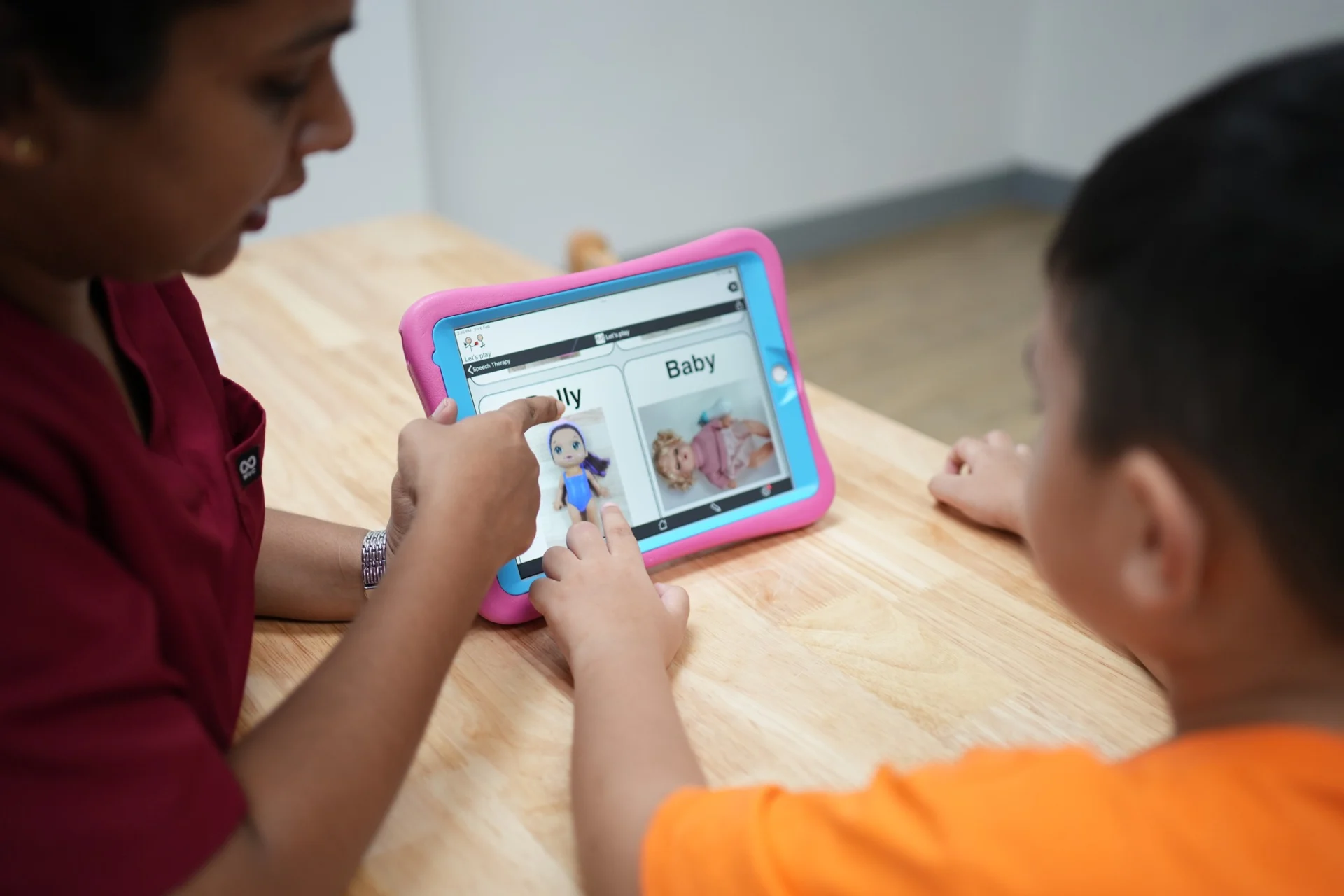
In modern therapy environments, digital platforms are not used as entertainment; they are structured tools designed to support communication development. Through AAC learning systems and interactive apps, therapists can create personalized learning experiences that adapt to each child’s needs. In Speech Therapy Phnom Penh, these tools are especially valuable for children with speech delays, autism spectrum disorder, or expressive language challenges.
By using visual supports, customizable vocabulary, and real-time feedback, therapists help children practice requesting, labeling, and making choices in ways that feel engaging and practical. Technology allows therapy sessions to be more flexible and individualized, helping clinicians track progress while maintaining a child-centered approach.
Moving Beyond Traditional Therapy Models
Speech therapy has traditionally relied on face-to-face verbal interaction and physical materials. While these methods remain essential, digital AAC tools provide additional layers of support. At OrbRom Learning Support Center, therapists integrate structured digital activities that reinforce functional communication rather than replacing core therapeutic practices.
For many families in Cambodia, accessibility and consistency are key concerns. Digital tools allow therapists to model strategies that parents and teachers can continue at home or in the classroom. This collaboration between professionals and caregivers strengthens generalization — ensuring that communication skills transfer to real-world situations, not just therapy sessions.
Encouraging Independence Through ADL-Based Learning
A major focus within Speech Therapy Phnom Penh is helping children apply communication skills to Activities of Daily Living (ADL). Functional communication means being able to express needs, make decisions, and participate in routines. Digital AAC platforms can simulate everyday scenarios where children practice requesting items, following instructions, or engaging in simple conversations.
When used intentionally, these tools reduce frustration and increase participation. Children gain confidence when they are understood, and therapists can gradually fade support as independence grows. This emphasis on real-life communication aligns with inclusive education principles that prioritize meaningful engagement rather than rote learning.
Collaboration Between Therapists, Families, and Schools
Technology also creates opportunities for collaboration across educational settings. OrbRom Learning Support Center encourages communication between therapists, parents, and educators so that strategies remain consistent. Progress tracking features allow clinicians to monitor goals, adjust therapy plans, and provide families with clear feedback.
In Phnom Penh’s growing inclusive education landscape, this coordinated approach is becoming increasingly important. Schools are recognizing the value of digital AAC tools as part of a broader strategy to support diverse learners. By combining professional expertise with accessible technology, therapy services can reach more children and create stronger long-term outcomes.
A Growing Direction for Speech Therapy Phnom Penh
As therapy services continue to expand, the integration of digital AAC strategies highlights how innovation can support meaningful development. Speech Therapy Phnom Penh is not only about improving speech sounds or vocabulary; it is about empowering children to communicate effectively in daily life. OrbRom Learning Support Center demonstrates how thoughtful use of technology can enhance therapy while maintaining a strong focus on functional communication and independence.


Leave A Comment