
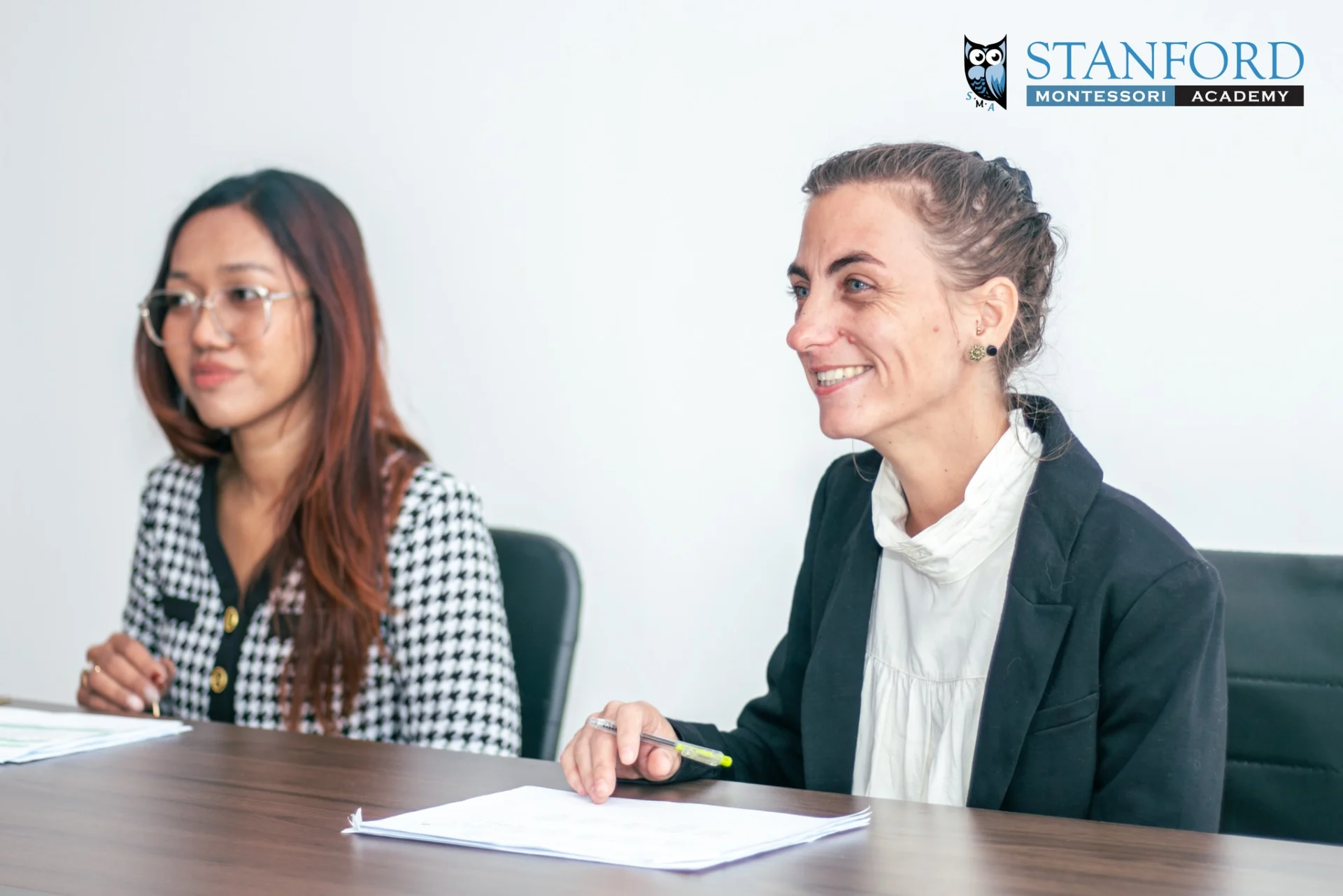

The Montessori Parent-Teacher Conference at Stanford Montessori Academy recently brought together teachers and families to reflect on each child’s academic progress and personal development. Events like this Montessori Parent-Teacher Conference play an essential role in strengthening communication between educators and parents while supporting the holistic development of students.
Held as part of the school’s academic year activities, the conference provided an opportunity for teachers to share detailed observations about student learning, behavior, and developmental milestones. At the same time, parents were able to ask questions, discuss their child’s growth, and explore strategies to support learning both at school and at home.
The Importance of a Montessori Parent-Teacher Conference
In Montessori education, collaboration between parents and educators is considered a core pillar of a child’s success. A Montessori Parent-Teacher Conference is not simply a report on grades or classroom performance. Instead, it is a thoughtful discussion about the child’s overall development.
At Stanford Montessori Academy, teachers used the conference to share individualized insights into each student’s progress. These insights often include observations about independence, social interaction, concentration, and the ability to engage with learning materials.
Montessori schools focus on nurturing the whole child. As a result, conversations during the conference often go beyond academics. Teachers and parents may discuss emotional growth, communication skills, and how the child adapts to classroom routines.
Strengthening the Parent–School Partnership

One of the most valuable outcomes of a Montessori Parent-Teacher Conference is the partnership it builds between families and educators. When parents understand how their child learns at school, they are better able to reinforce similar approaches at home.
During the conference at Stanford Montessori Academy, teachers shared learning plans designed to support each child’s continued development. These discussions help ensure that children receive consistent guidance both in the classroom and at home.
Parents also have the chance to share their own observations. For example, they may discuss changes they have noticed in their child’s behavior, interests, or learning habits. These insights allow teachers to better understand the child’s overall development and adjust strategies accordingly.
Programs Offered at Stanford Montessori Academy
Stanford Montessori Academy offers a variety of programs designed to support learners at different stages of development. These include:
Montessori Program (Ages 1.5–6)
This early childhood program focuses on foundational skills such as independence, language development, and early numeracy through hands-on learning experiences.
Primary and Secondary Programs (Grades 1–12)
For older students, the school provides structured academic pathways that build on Montessori principles while preparing students for future academic challenges.
By offering these programs, Stanford Montessori Academy aims to create a learning environment where students can grow academically, socially, and emotionally.
Why Conferences Matter for Student Growth
Regular communication between teachers and parents has been shown to significantly improve student outcomes. When families understand their child’s strengths and areas for growth, they can better support learning outside the classroom.
A Montessori Parent-Teacher Conference also helps identify potential challenges early. If a child needs additional support in certain areas, teachers and parents can work together to develop strategies that encourage improvement.
For many families, the conference provides reassurance and clarity. Hearing about a child’s progress directly from educators builds trust and confidence in the learning process.
Supporting a Child’s Learning Journey
Educational success rarely happens in isolation. It requires collaboration between teachers, parents, and the wider school community. The Montessori Parent-Teacher Conference at Stanford Montessori Academy demonstrates how open communication and shared goals can support every child’s growth.
Through thoughtful discussions, personalized learning plans, and strong parent involvement, schools can create a supportive learning environment that encourages children to reach their full potential.
If the information about the school is not accurate and insufficient Contact us.
Do you want to register your school, Click Here.


Leave A Comment