
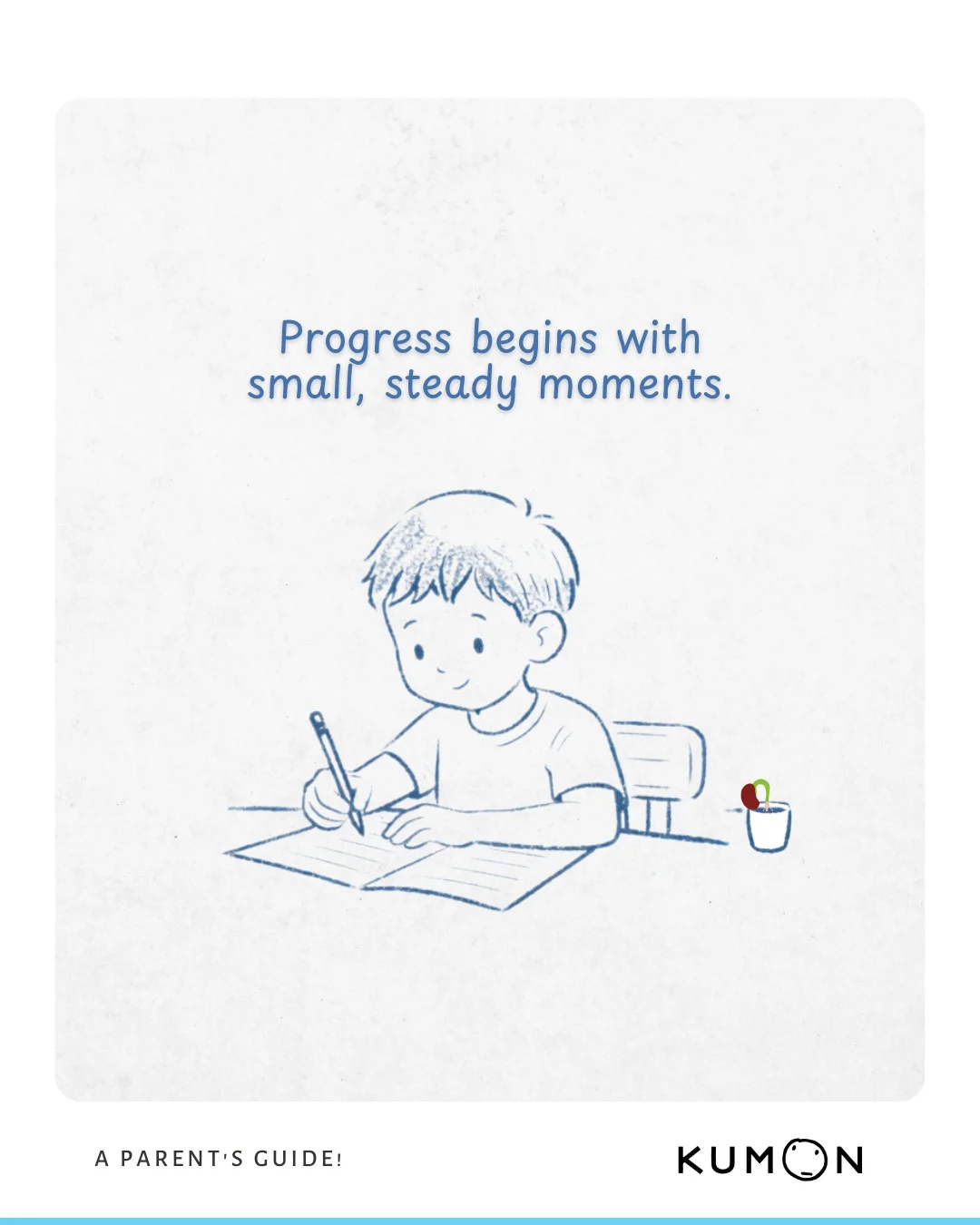

In education, progress rarely comes from sudden leaps. More often, it is the result of steady routines, patient guidance, and consistent effort over time. This message is clearly reflected in the recent learning-focused post shared by Kumon Cambodia, which highlights how meaningful progress begins with small, manageable steps. For parents, teachers, and school leaders in Cambodia, this approach resonates strongly with the realities of how children truly learn and develop.

At the start of a new year, Kumon Cambodia emphasizes an important reminder: significant progress does not require big changes overnight. Instead, learning grows through small, consistent moments—both at learning centres and at home. This philosophy aligns with research-backed educational practices and reflects what many educators in Cambodia see daily in classrooms.
Why Small Steps Matter in Learning
Children develop skills at different rates, and effective education respects these differences. By breaking learning into small, achievable tasks, children experience success more frequently. These small wins help build confidence, motivation, and independence. Rather than overwhelming students, gradual progression allows them to master foundational skills before moving forward.
Kumon Cambodia’s approach reinforces the idea that learning should move at the child’s own pace. When children feel capable and supported, they are more likely to engage actively with their work. Over time, this consistent engagement leads to stronger academic foundations and long-term success.
The Power of Daily Learning Routines
One of the key messages from Kumon Cambodia is the importance of daily practice. Short, focused learning sessions completed consistently are often more effective than occasional long study periods. Daily routines help children develop discipline, concentration, and responsibility—skills that extend far beyond academics.

In the Cambodian education context, where parents play an active role in their child’s learning journey, simple daily routines at home can significantly reinforce what children learn in learning centres or schools. A worksheet completed each day, reading for a few minutes, or practicing math facts regularly can have a lasting impact.
Learning at the Centre and at Home
Kumon Cambodia highlights the balance between guided learning at the centre and independent practice at home. At the centre, instructors carefully guide each child step by step, ensuring lessons match the learner’s current ability. At home, children apply what they have learned independently, reinforcing skills and building confidence.
This centre-to-home learning model encourages children to take ownership of their education. It also strengthens the partnership between educators and parents, which is a key factor in student success across Cambodia’s diverse education landscape.
Building Confidence Over Time
Confidence is not built overnight. It develops through repetition, encouragement, and achievable challenges. By focusing on small steps, children are less likely to feel discouraged and more likely to persist when tasks become challenging. Over time, these steady routines foster resilience and a positive attitude toward learning.
Kumon Cambodia’s emphasis on patience, consistency, and individualized pacing offers a valuable lesson for schools and educators striving to support learners with varying abilities and learning styles.
If the information about the school is not accurate or sufficient, please Contact us
Do you want to register your school? Click Here



Leave A Comment