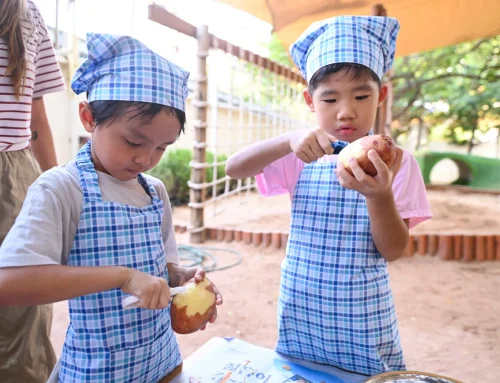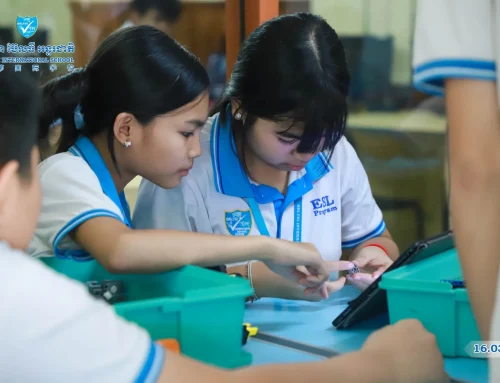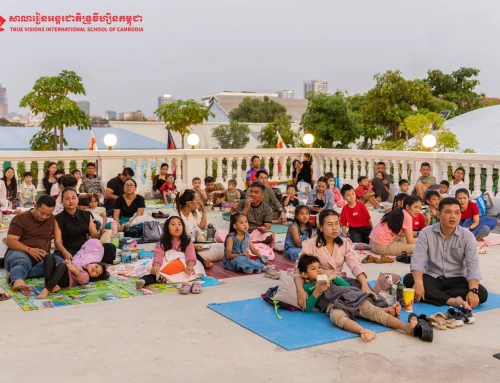
Physical play is more than just fun—it is one of the most powerful ways children learn, grow, and connect with the world around them. At ISPS-International School of Preah Sihanouk, physical activities are thoughtfully integrated into the learning environment to help students strengthen their bodies, develop confidence, and build meaningful social skills. The recent scenes shared by the school highlight this commitment, showing young learners working together, laughing, and supporting one another through active play experiences.
In today’s education landscape, a balanced approach that blends academics with movement is crucial. Families across Cambodia, particularly in Sihanoukville, are increasingly looking for international schools that understand the role of play-based learning. ISPS demonstrates how physical play contributes directly to whole-child development while creating a vibrant school culture grounded in cooperation, patience, and teamwork.
The Importance of Physical Play in Early Education
Physical play supports multiple areas of child development. It strengthens gross motor skills, enhances coordination, and improves balance. Activities such as running, jumping, or navigating obstacle paths challenge children to use their bodies confidently and effectively. These early motor experiences form the foundation for later skills like writing, participation in sports, or maintaining physical health.
For young learners, movement also fuels cognitive development. Research shows that children who engage in regular physical activity have improved concentration, better problem-solving skills, and stronger classroom participation. At ISPS-International School of Preah Sihanouk, these benefits are naturally integrated into the daily school experience through structured activities and supervised play sessions.
Cooperation and Social-Emotional Growth
One of the most meaningful outcomes of physical play is the opportunity for children to build social-emotional skills. The images from ISPS illustrate students encouraging one another, moving through tasks together, and sharing excitement as a group. These interactions help children learn cooperation, turn-taking, patience, and emotional expression—skills that are essential both inside and outside the classroom.

Physical play helps build friendships naturally. As children work together to complete games or solve small challenges, they learn how to communicate effectively and resolve conflicts respectfully. The supportive environment at ISPS ensures that every child feels included and valued, making physical play a safe space for social learning.
Confidence Through Active Learning
Confidence is a key ingredient in lifelong learning. When a child successfully completes a physical activity—even something as simple as balancing on a mat or jumping forward—they gain a sense of accomplishment. This boosts self-esteem and encourages them to attempt new challenges both academically and socially.
The purposeful use of active learning at ISPS-International School of Preah Sihanouk helps students feel empowered. Teachers guide activities in ways that allow each child to progress at their own pace while still celebrating group achievements. This balance helps students develop resilience, independence, and a strong belief in their abilities.
A Supportive Environment for Growth
Parents in Sihanoukville looking for a school that combines academic excellence with whole-child development can see how ISPS promotes active, joyful learning. The school’s approach reflects modern educational practices where physical activity is recognized as essential—not optional. With dedicated teachers and a nurturing learning environment, ISPS provides students with the foundation they need to grow with confidence, curiosity, and strong social values.
If the information about the school is not accurate or you would like to update details, please Contact us.
If you want to register your school on our platform, Click Here.