

An overnight in-school camp is more than just a night spent at school—it is a carefully designed learning experience that helps children grow socially, emotionally, and practically. At Southbridge International School Cambodia, the recent Year 4 and Year 5 overnight camp offered students a meaningful opportunity to step beyond their daily routines and experience learning in a new and exciting way. This Overnight In-School Camp Cambodia initiative highlighted how structured activities, teamwork, and independence-building experiences can shape confident, capable learners.

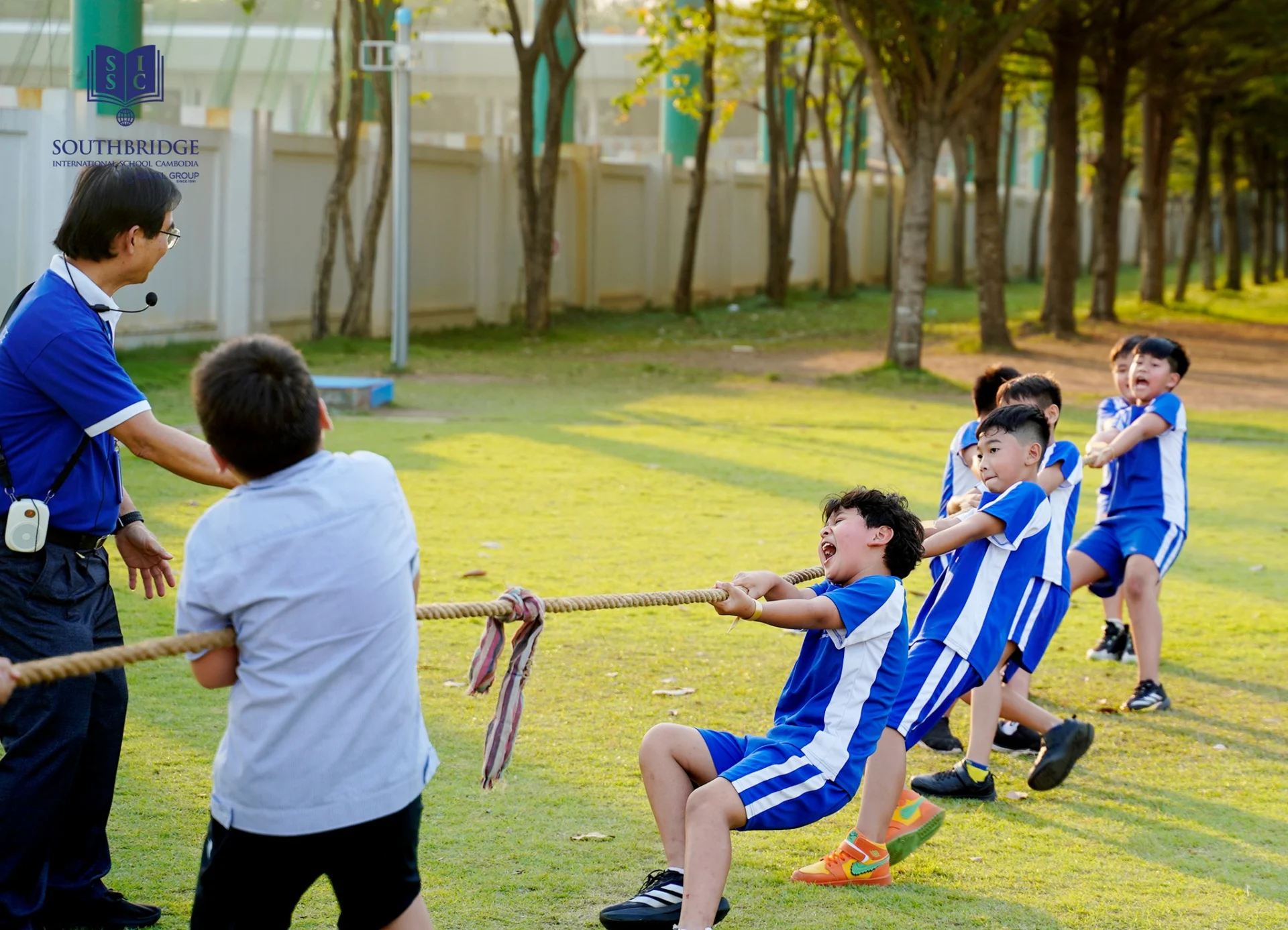
From the moment the camp began, students were immersed in hands-on challenges that encouraged cooperation and problem-solving. Activities such as group games, physical challenges, and collaborative tasks required students to communicate clearly, plan together, and support one another. These experiences go far beyond academic learning, helping children develop essential life skills such as resilience, leadership, and adaptability—skills that are increasingly important in modern education.
One of the key strengths of an overnight in-school camp is the safe and familiar environment it provides. Unlike off-site camps, students remain within their school setting, which helps reduce anxiety while still offering a sense of adventure. For many children, this is their first experience staying overnight away from home. At Southbridge International School Cambodia, teachers and staff carefully structured the camp to balance excitement with reassurance, allowing students to build independence at a pace that felt comfortable and supportive.
The camp also placed a strong emphasis on social development. Shared meals, evening activities, and group reflections created natural opportunities for students to strengthen friendships and practice empathy. Children learned how to resolve small conflicts, take responsibility for shared spaces, and look out for one another. These moments, though simple, play a powerful role in helping students understand cooperation and mutual respect—core values that support inclusive and positive school communities.
Physical activity was another important element of the Overnight In-School Camp Cambodia experience. Outdoor games and movement-based challenges encouraged teamwork, coordination, and healthy risk-taking. These activities support not only physical development but also confidence and emotional regulation. When students successfully complete a challenge together, they gain a sense of achievement that carries over into the classroom.

Equally important was the role of teachers and school staff. Their presence ensured that the camp was not only fun but also purposeful. Educators guided discussions, modeled problem-solving strategies, and created a safe environment where every child felt valued. This balance of structure and freedom allowed students to explore independence while knowing that support was always close by.
For parents and educators, overnight in-school camps offer a clear reminder that learning does not stop when textbooks are closed. Experiences like this help children apply what they learn in real-life situations—managing routines, collaborating with peers, and making responsible choices. At Southbridge International School Cambodia, the camp reinforced the school’s commitment to holistic education, where academic growth is supported by strong social and emotional foundations.
As education in Cambodia continues to evolve, programs such as overnight in-school camps demonstrate the value of experiential learning. They show how schools can nurture confident, responsible learners who are prepared not only for academic success but also for life beyond the classroom. The success of this Overnight In-School Camp Cambodia experience reflects thoughtful planning, dedicated educators, and a shared belief that meaningful learning happens through experience, connection, and reflection.




Leave A Comment