Life skills learning plays a vital role in early childhood education, and the recent activities shared by KCE Little Stars highlight how structured daily routines can become powerful learning moments for young children. Through simple, well-planned life skills activities, P-S1 and P-S2 students at KCE Little Stars are learning independence, problem-solving, and responsibility in ways that feel natural, engaging, and age-appropriate. This approach reflects a growing emphasis in Cambodia on holistic early years education that prepares children not only academically, but also socially and emotionally.
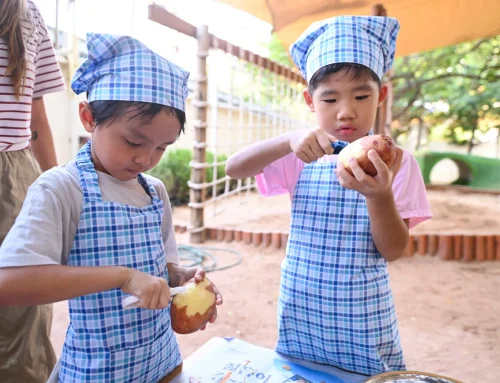
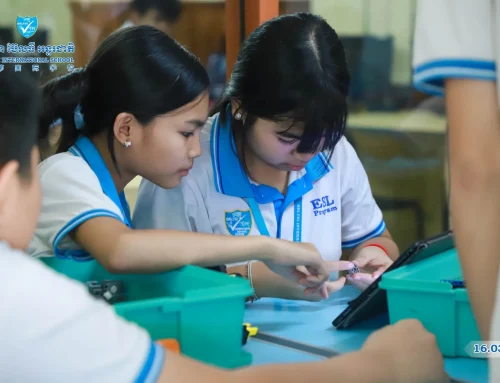
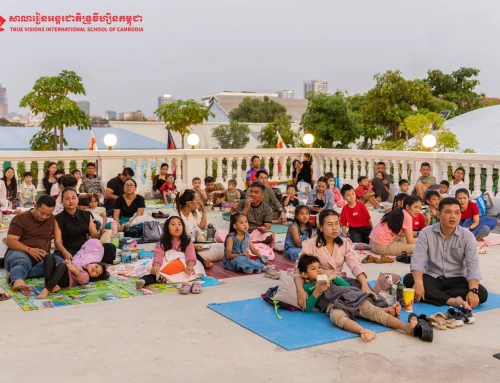
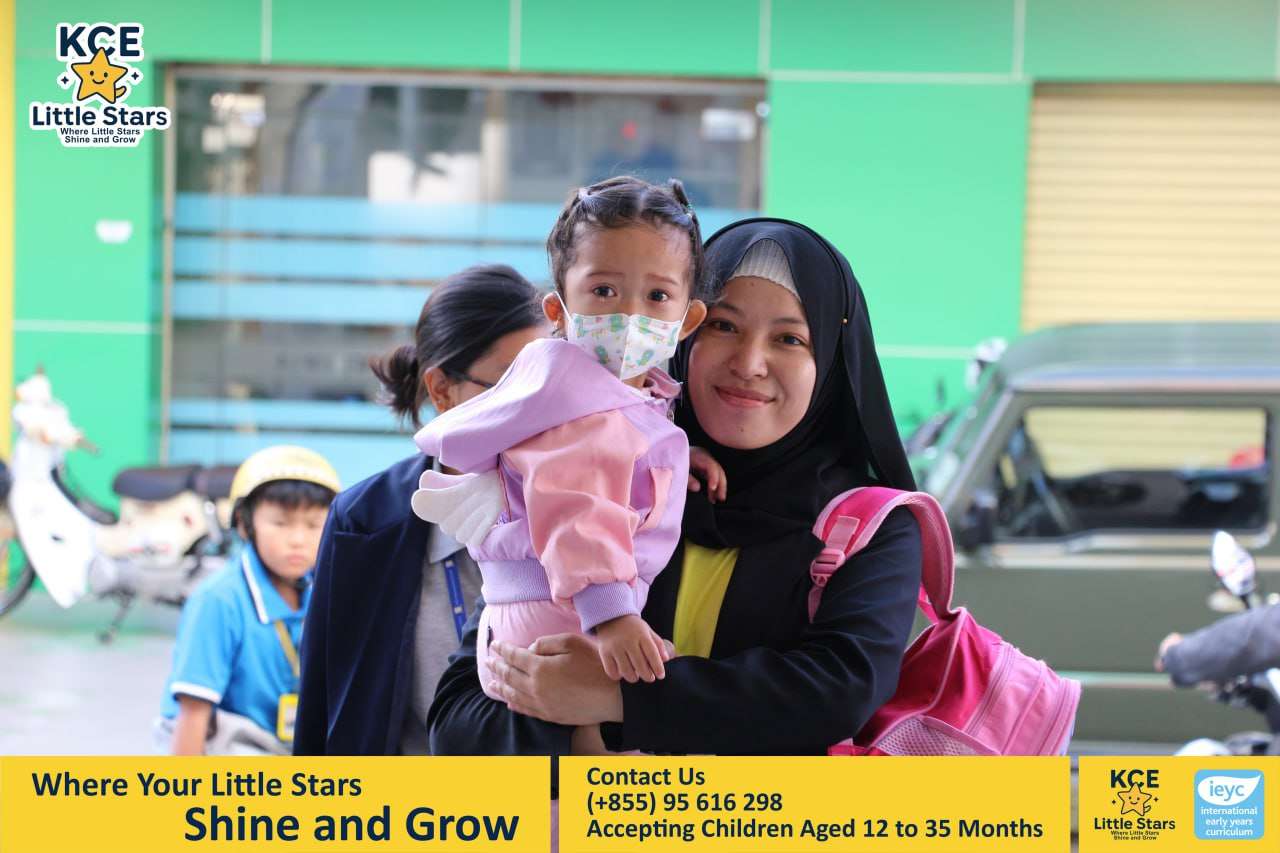
The images from KCE Little Stars show children actively participating in classroom and outdoor routines—drawing, lining up, group tasks, and guided activities led by teachers. These moments may look simple, but they are carefully designed to support life skills learning, helping children understand structure, follow instructions, and work cooperatively with peers. For parents and educators, this kind of routine-based learning demonstrates how everyday activities can shape confident, capable learners.
Why Life Skills Learning Matters in Early Years Education
Life skills learning during preschool years forms the foundation for future academic and social success. Skills such as taking turns, managing simple tasks, following routines, and expressing ideas are critical for children as they transition into primary education. At KCE Little Stars, these skills are introduced through repetition and consistency, allowing children to feel secure while gradually building independence.
In Cambodia’s evolving education landscape, schools that prioritize life skills alongside academics help children adapt more easily to structured learning environments. Daily routines, when thoughtfully implemented, reduce anxiety, improve focus, and encourage children to take ownership of their actions. This is particularly important for young learners who are still developing self-regulation and attention skills.
Learning Through Daily Routines at KCE Little Stars
The activities shown reflect a clear focus on routine-based learning. Children line up together, participate in group movement, engage in hands-on classroom tasks, and follow visual and verbal cues from teachers. These routines teach responsibility—such as waiting patiently, cleaning up after activities, and listening to instructions—while also strengthening social interaction.

At KCE Little Stars, life skills learning is embedded into the daily schedule rather than taught as a separate subject. This integrated approach helps children see learning as part of everyday life. For teachers, it creates opportunities to model positive behaviors, reinforce expectations, and support children at different developmental levels.
Supporting Independence and Confidence
One of the most valuable outcomes of life skills learning is increased confidence. When children are given regular opportunities to complete tasks independently, even small ones, they begin to trust their abilities. The smiling faces and engaged expressions seen in the photos suggest that students feel proud of their achievements, whether it is completing an art activity or successfully participating in a group routine.
For parents, this kind of learning often carries over into the home environment. Children who practice independence at school are more likely to attempt tasks on their own at home, from organizing materials to communicating their needs more clearly.
A Positive Model for Early Childhood Education in Cambodia
KCE Little Stars provides a strong example of how life skills learning can be effectively implemented in early childhood settings in Cambodia. By focusing on daily routines, meaningful activities, and supportive guidance, the school nurtures well-rounded learners prepared for the next stages of their education journey.
If the information about the school is not accurate or sufficient, please Contact us.
Do you want to register your school? Click here.