
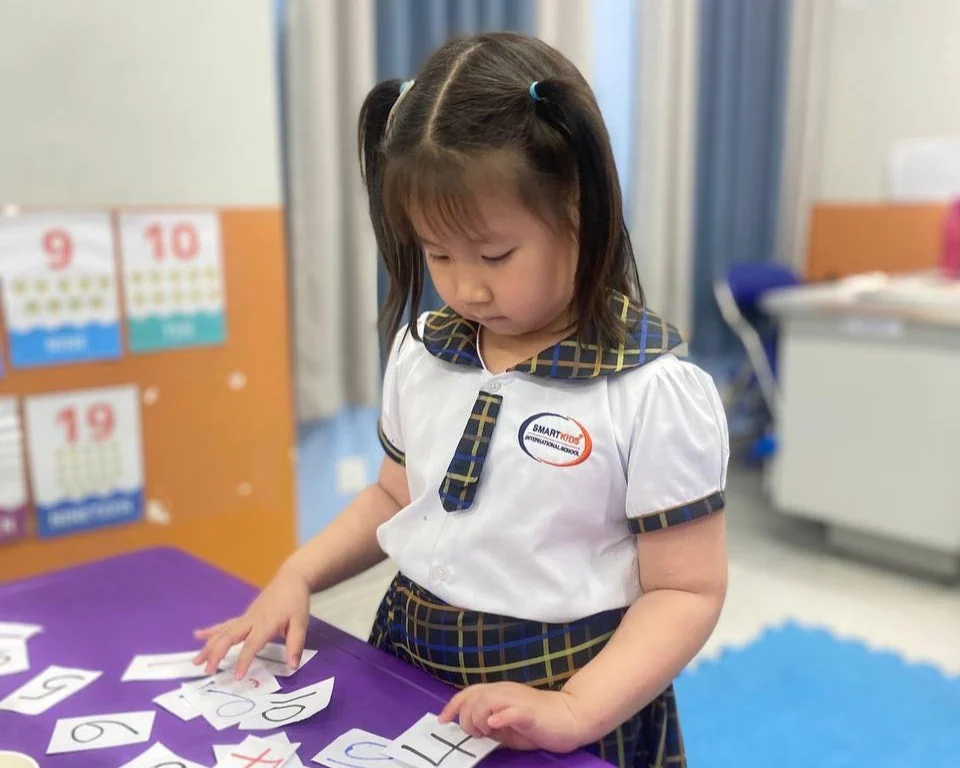

SmartKids International School Phnom Penh is an example of how early childhood education can move beyond textbooks and worksheets to create meaningful, hands-on learning experiences. The classroom moments shared by the school highlight a learning approach where young children actively explore, experiment, and build understanding through direct interaction. This kind of learning beyond the classroom is increasingly valued by parents and educators in Cambodia who want education to be engaging, practical, and developmentally appropriate.
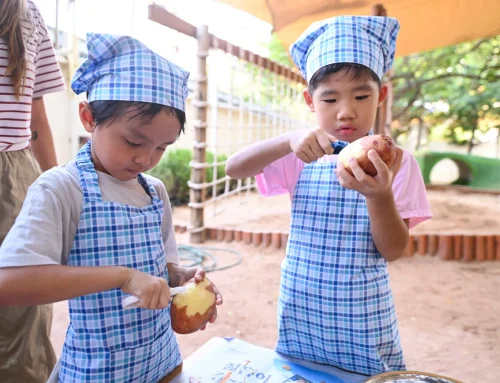
At SmartKids International School Phnom Penh, kindergarten learning is designed to spark curiosity and confidence. Rather than passively receiving information, children are encouraged to touch, sort, build, and problem-solve with guidance from their teachers. These small but intentional activities help children connect ideas, practice early thinking skills, and develop a positive attitude toward learning from an early age.
Hands-On Learning That Builds Real Skills
Learning beyond the classroom does not mean learning without structure. At SmartKids International School Phnom Penh, hands-on activities are carefully planned to support early numeracy, language development, and self-regulation. When children engage with physical materials, they practice focus, coordination, and decision-making. These experiences strengthen fine motor skills and lay the foundation for later academic tasks such as writing, reading, and problem-solving.
For young learners, especially in kindergarten, hands-on learning is one of the most effective ways to build understanding. Children learn best when they can see and do, not just listen. Activities that involve matching, counting, and exploring objects allow children to make sense of concepts in a natural and enjoyable way.
Encouraging Confidence and Independence
A key benefit of learning beyond the classroom is the development of confidence. At SmartKids International School Phnom Penh, children are given opportunities to try tasks independently while knowing support is nearby. This balance helps children feel safe to explore, make mistakes, and learn from them.

When children are trusted to participate actively, they begin to see themselves as capable learners. This sense of confidence supports social development as well, encouraging children to communicate, take turns, and collaborate with peers. These early experiences are essential for building independence and emotional resilience in school and beyond.
Teacher-Guided Exploration in Early Education
Hands-on learning is most effective when guided by skilled teachers. At SmartKids International School Phnom Penh, teachers play an active role in observing, guiding, and extending children’s learning. They ask questions, model language, and gently challenge children to think deeper about what they are doing.
This teacher-led approach ensures that play-based activities are meaningful and aligned with learning goals. It also allows educators to notice each child’s strengths and areas for growth, providing support that meets individual needs. For parents, this approach offers reassurance that learning is purposeful, not random.
Why Learning Beyond the Classroom Matters in Cambodia
In Cambodia, there is growing awareness of the importance of early childhood education that goes beyond memorization. Schools like SmartKids International School Phnom Penh demonstrate how modern teaching practices can support creativity, curiosity, and confidence in young learners. These qualities are essential for children growing up in a rapidly changing world.
Learning beyond the classroom helps children develop a love for learning, not just academic knowledge. It prepares them for future schooling by strengthening attention, communication, and problem-solving skills in a natural and engaging way.
If the information about the school is not accurate or insufficient, please Contact us.
Do you want to register your school? Click Here.


Leave A Comment