
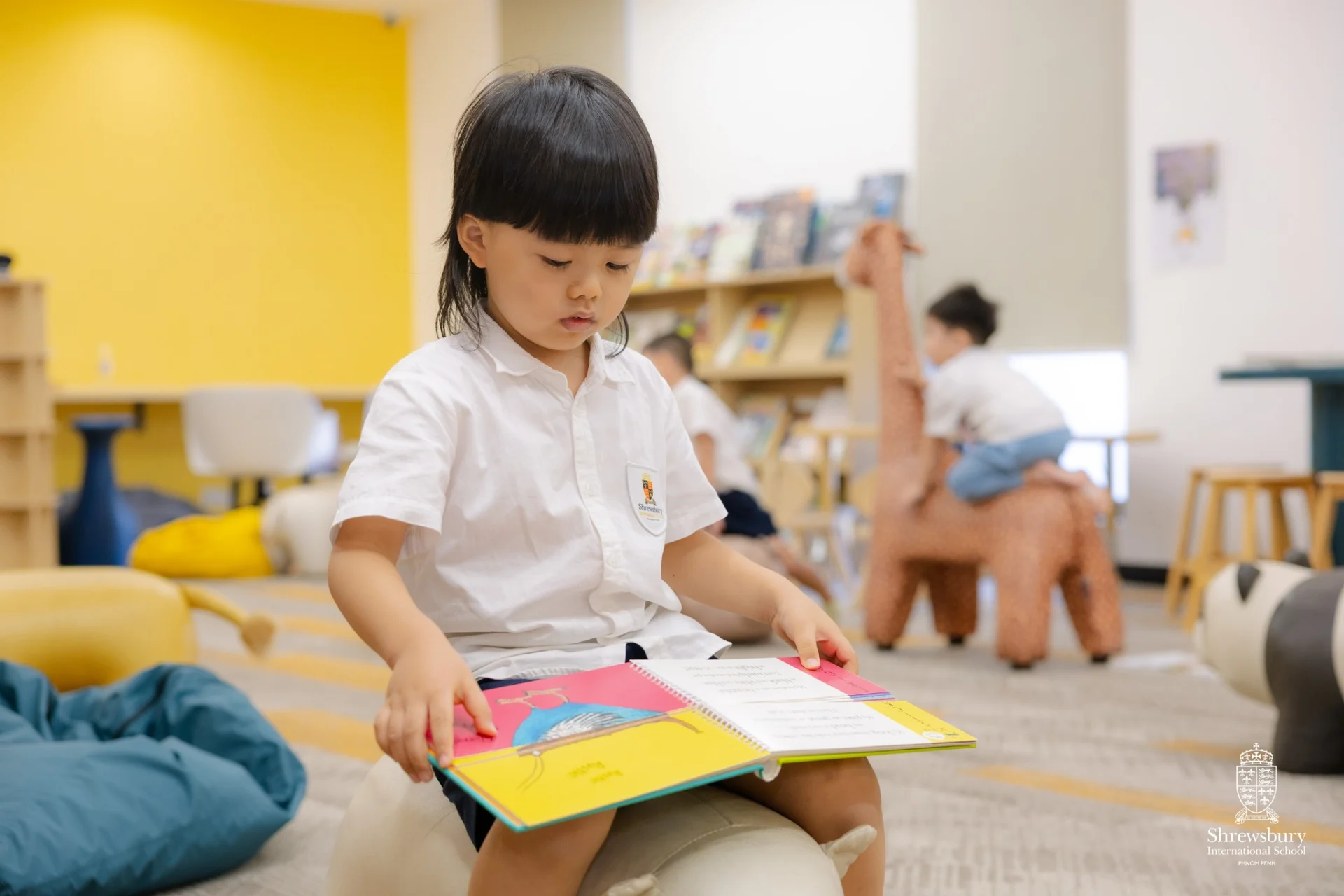
How Shrewsbury International School Phnom Penh Builds Strong Literacy Foundations Through the EYFS Framework

Early literacy plays a crucial role in a child’s academic and personal development. At Shrewsbury International School Phnom Penh, the approach to literacy education focuses on nurturing curiosity, vocabulary development, and a genuine love for reading from a young age. By following the British Early Years Foundation Stage (EYFS) framework, the school ensures that children build strong language and literacy skills that support lifelong learning.
In Phnom Penh’s growing international education landscape, schools that provide structured early learning programs stand out. Shrewsbury International School Phnom Penh has positioned itself as a leader by combining systematic phonics instruction, engaging storytelling, and language-rich classroom environments that support young learners in becoming confident readers.
The Role of the EYFS Framework in Early Education
The British Early Years Foundation Stage (EYFS) framework is widely respected for its comprehensive approach to early childhood education. It focuses on key developmental areas such as communication, language, literacy, personal development, and social interaction.
At Shrewsbury International School Phnom Penh, the EYFS framework helps guide how teachers design learning experiences for young children. Instead of simply teaching reading as a mechanical skill, educators emphasize exploration, curiosity, and interaction with language.
Children learn through a variety of activities including:
-
Listening to stories and discussing characters
-
Exploring picture books independently
-
Engaging in phonics activities that connect sounds to letters
-
Participating in conversations that expand vocabulary

This holistic approach helps students understand language meaningfully rather than memorizing words without context.
Systematic Phonics and Language Development
One of the key pillars of early literacy at Shrewsbury International School Phnom Penh is systematic phonics instruction. Phonics teaches children how sounds correspond to letters, which is essential for decoding words when reading.
Through structured phonics lessons, students gradually develop the ability to:
-
Recognize letter sounds
-
Blend sounds to form words
-
Decode unfamiliar vocabulary
-
Improve spelling and pronunciation
Phonics instruction is carefully integrated with storytelling, classroom discussions, and reading activities. This ensures that literacy learning remains engaging and meaningful rather than repetitive.
A strong phonics foundation allows children to become independent readers more quickly, which increases their confidence and enthusiasm for learning.
Creating a Language-Rich Learning Environment
Another important element of literacy development is the language-rich environment created within classrooms. Teachers at Shrewsbury International School Phnom Penh design spaces that encourage reading, storytelling, and conversation.
Bookshelves filled with diverse picture books allow children to explore different topics, cultures, and ideas. Students are encouraged to ask questions, describe what they see, and express their thoughts during reading sessions.
This type of environment supports several key developmental skills:
-
Expanding vocabulary
-
Improving listening comprehension
-
Developing narrative skills
-
Strengthening communication abilities
When children are surrounded by meaningful language interactions, literacy development happens naturally and effectively.
Building Confidence and Curiosity in Young Readers
The literacy program at Shrewsbury International School Phnom Penh is not only about reading skills—it also focuses on building confidence and curiosity. Teachers encourage students to see reading as an adventure rather than a task.
Children are given opportunities to explore books that match their interests and developmental levels. Whether it is a colorful picture book, a story about animals, or an imaginative adventure, these experiences help students associate reading with enjoyment.
This approach nurtures motivation and independence, which are essential traits for lifelong learners.
Why Early Literacy Matters for Long-Term Success
Research consistently shows that strong early literacy skills predict academic success later in life. When children develop reading confidence early, they are more likely to perform well in subjects such as science, mathematics, and social studies.
By investing in early literacy programs based on the EYFS framework, schools like Shrewsbury International School Phnom Penh help students develop critical thinking, communication skills, and a passion for learning.
Parents exploring education options in Phnom Penh often look for schools that prioritize these foundational skills. Programs that combine phonics instruction, storytelling, and language-rich environments provide children with the tools they need to thrive.
If the information about the school is not accurate and insufficient Contact us.
Do you want to register your school Click Here.



Leave A Comment