
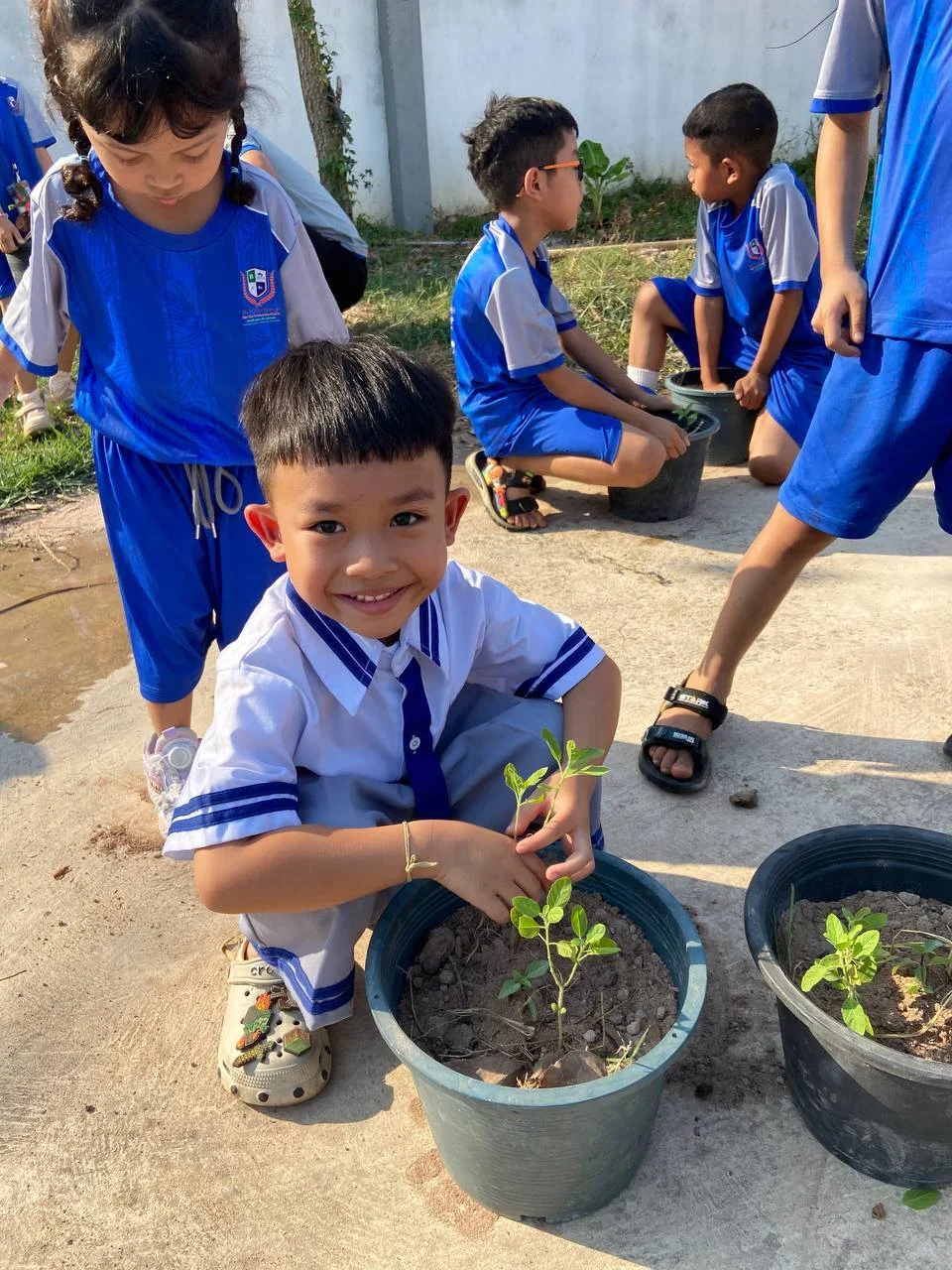

Environmental education is becoming an essential part of modern schooling, and Best Kids International School is demonstrating how meaningful hands-on activities can shape young learners’ attitudes toward nature. Through a simple yet powerful tree planting activity, students are learning more than just gardening skills. They are developing responsibility, teamwork, and a deeper appreciation for the environment.

At Best Kids International School, this activity reflects the belief that education should extend beyond textbooks. By involving students directly in planting and caring for plants, the school encourages children to understand the importance of nature and sustainability from an early age. These experiences create memorable learning moments that support both academic development and character building.
Why Tree Planting Activities Matter in Schools
Tree planting activities provide students with practical experiences that help them understand environmental responsibility. Instead of learning about nature only in theory, children engage directly with soil, plants, and the process of nurturing life.
For young learners, this type of experiential education helps build curiosity and environmental awareness. When students plant a tree or a small plant themselves, they develop a sense of ownership and pride. They begin to see how their actions can positively impact their surroundings.

Best Kids International School integrates this approach by allowing students to participate actively in the planting process. Children work together, prepare the soil, place the plants carefully, and water them afterward. These simple steps teach patience, cooperation, and respect for living things.
Building Responsibility and Teamwork Through Nature
Activities like tree planting are not only about environmental learning. They also play a significant role in developing important life skills.
At Best Kids International School, students are encouraged to collaborate with their classmates during the activity. Some children help hold the pots, others prepare the soil, while others focus on watering and caring for the plants. Through this teamwork, students learn how working together can lead to meaningful results.
Responsibility is another key lesson. When children plant something themselves, they naturally want to see it grow and thrive. Teachers can then build on this interest by encouraging students to check on the plants regularly, water them, and observe their growth over time.
This type of responsibility helps children understand that their actions have consequences and that care and attention are needed to nurture living things.
Hands-On Learning That Strengthens Student Engagement
One of the biggest challenges in early education is keeping students engaged and motivated. Hands-on learning experiences like tree planting help solve this challenge by making learning active and enjoyable.
Best Kids International School demonstrates how outdoor learning can complement classroom instruction. Students can connect lessons in science, nature, and environmental awareness with real-life experiences. They see how plants grow, how soil supports life, and how water and sunlight contribute to healthy plants.
These activities also help children develop observational skills. Students may begin to notice changes in the plants over time, ask questions about growth, and become curious about the natural world around them.
For parents, these experiences are particularly valuable because they help children develop positive attitudes toward nature and environmental protection.
Encouraging a Love for Nature in Young Learners
Schools play a powerful role in shaping how children view the world. By introducing environmental activities early, educators can inspire lifelong respect for nature.
Best Kids International School is creating opportunities for students to connect with nature in meaningful ways. Activities such as planting flowers or trees help children understand that caring for the environment starts with small actions.
When schools combine academic learning with real-world experiences, students develop stronger connections to their education. They become more engaged, more responsible, and more aware of the world around them.
In the long term, these early experiences can influence how children think about sustainability, conservation, and environmental stewardship.
If the information about the school is not accurate and insufficient Contact us.
Do you want to register your school, Click Here.


Leave A Comment