
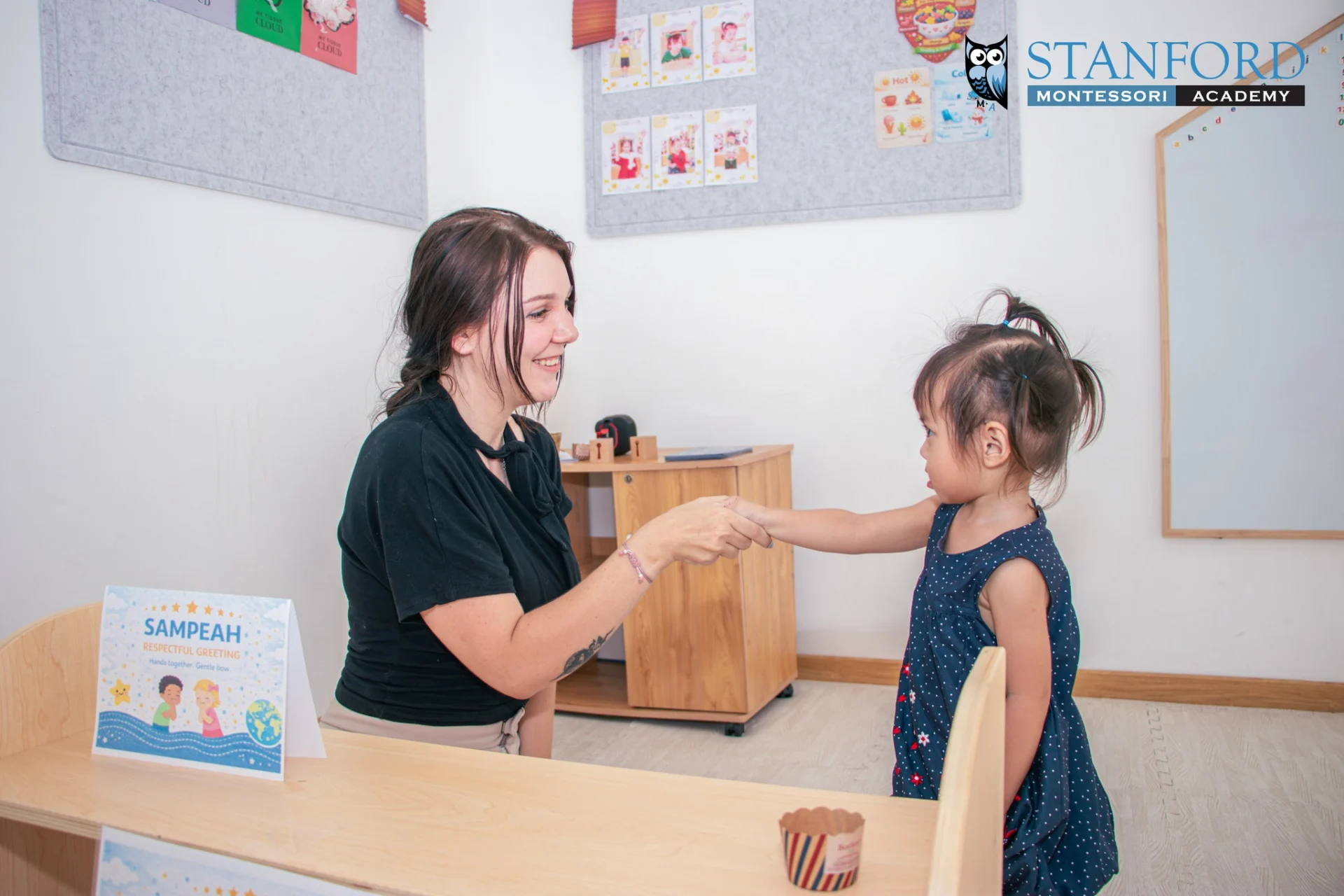

Developing social skills at an early age is just as important as learning letters and numbers. Many modern schools understand that kindness, respect, and communication are foundational skills that shape how children interact with the world. A recent activity shared by Stanford Montessori Academy demonstrates how creative learning experiences can help children practice good manners while enjoying school.

The school organized a special activity called “Passport to Good Manners.” The idea behind the event was simple yet powerful: teach young learners everyday social behaviors through playful interaction. Instead of simply telling children what good manners look like, the school created an engaging experience where children could practice these skills in a meaningful way.
Understanding the “Passport to Good Manners” Concept
The Passport to Good Manners activity encouraged children to move through different greeting stations where they practiced friendly interactions. These stations included simple social gestures such as waving hello, smiling, giving a high-five, or performing the traditional Cambodian greeting known as Sompeah.
Each interaction allowed children to collect small “passport stickers,” which acted as rewards and reminders of the positive behaviors they practiced. This gamified approach helped turn a simple lesson about politeness into a memorable experience.
Activities like these are important in early childhood education because social behaviors develop best through repetition and real-life practice. When children experience greetings, facial expressions, and respectful gestures in a supportive environment, these behaviors become natural habits.
Why Social Skills Matter in Early Childhood
Programs like those seen at Stanford Montessori Academy highlight the importance of social and emotional learning in preschool environments. Young children are still learning how to communicate their feelings, build friendships, and navigate group settings.
Teaching greetings and respectful interactions helps children:
• Build confidence when interacting with adults and peers
• Develop empathy and awareness of others
• Learn cultural expressions of respect such as the Sompeah greeting
• Practice positive communication habits
These small everyday skills play a significant role in helping children adapt to classroom environments and later succeed in school.
Learning Through Play in Montessori Environments
Montessori-based schools often emphasize hands-on learning and real-life experiences, and the Passport to Good Manners activity reflects this philosophy. Rather than focusing solely on academic lessons, Montessori environments encourage children to practice life skills that will support them throughout their development.
By incorporating interactive stations, photo booths, and personalized badges, the school transformed a social lesson into a fun event that children were excited to participate in.
The Manners Photo Booth, for example, invited children to show their “kind face.” This simple idea helps children connect emotions with behavior. Smiling, making eye contact, and greeting others politely are important elements of communication that children learn best through experience.
Programs Offered by Stanford Montessori Academy
The Facebook post also highlights several programs offered by Stanford Montessori Academy, including:
• Montessori Program for children aged 1.5 to 6 years old
• Primary and Secondary Programs covering Grade 1 to Grade 12
• A dedicated kindergarten campus in Sen Sok
• A primary and secondary campus in Boeng Kak 2
These programs aim to support children throughout their educational journey, starting with early childhood development and continuing through secondary education.
Schools that emphasize both academic learning and character development help students grow into confident and respectful individuals.
Why Activities Like This Matter for Parents
For parents choosing a preschool or Montessori school, activities like the Passport to Good Manners provide insight into how a school approaches child development.
Rather than focusing only on academic readiness, these programs show a commitment to nurturing social responsibility, emotional awareness, and respectful communication.
When children learn kindness early, it becomes part of their identity as they grow.
If the information about the school is not accurate and insufficient Contact us.
Do you want to register your school, Click Here.
Leave A Comment