
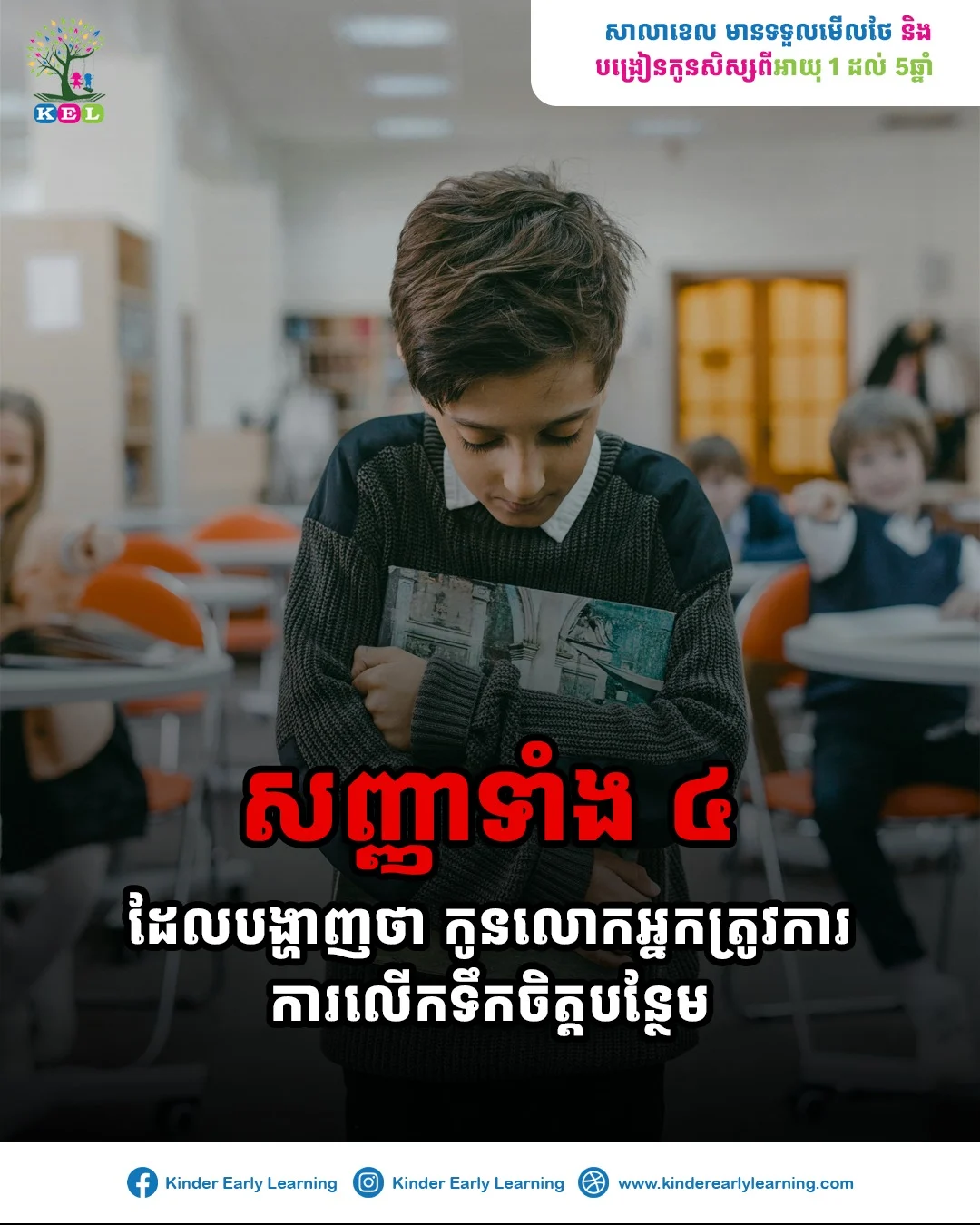

Bullying in schools is a growing concern worldwide, and Kinder Early Learning is helping raise awareness about this important issue in Cambodia. In a recent social media post, Kinder Early Learning highlighted the importance of recognizing bullying behaviors and creating supportive environments where children feel safe, respected, and confident to learn. As more schools in Cambodia focus on student well-being, discussions about bullying prevention and emotional safety are becoming essential parts of modern education.

Parents, teachers, and school leaders all play an important role in identifying bullying and supporting children who may be affected. By raising awareness and encouraging open conversations, schools like Kinder Early Learning are contributing to a healthier educational environment for young learners.
Understanding Bullying in School Environments
Bullying is more than just occasional teasing between children. It often involves repeated harmful behavior that can affect a student’s emotional, social, and academic well-being. Bullying may take different forms, including verbal insults, social exclusion, physical aggression, or online harassment.
In many classrooms, students who experience bullying may feel isolated, anxious, or afraid to participate in activities. Over time, this can impact their confidence, academic performance, and overall development. Schools that openly address bullying help children understand the difference between healthy conflict and harmful behavior.
Kinder Early Learning emphasizes the importance of awareness and early intervention. When teachers and parents recognize warning signs early, they can support students and prevent situations from escalating.
Why Early Education Centers Must Address Bullying
Early childhood education is a critical stage when children learn social skills, empathy, and respectful communication. When bullying behaviors appear at a young age, they should be addressed immediately to help children develop positive relationships.
Educational centers such as Kinder Early Learning focus not only on academic development but also on social and emotional learning. Teaching children how to express feelings, resolve disagreements, and respect differences helps create a positive classroom culture.
In Cambodia’s growing education sector, many schools are beginning to integrate programs that teach kindness, cooperation, and emotional awareness. These programs encourage students to support one another and seek help when they feel uncomfortable or unsafe.
The Role of Teachers and Parents in Preventing Bullying
Preventing bullying requires cooperation between schools and families. Teachers often notice behavioral changes in the classroom, while parents may observe emotional signs at home. Working together allows adults to provide consistent support for children.
Parents can help by talking regularly with their children about their school experiences. Asking simple questions such as “How was your day?” or “Did anything make you uncomfortable today?” can encourage children to share concerns early.
Teachers, on the other hand, can promote a safe environment by establishing clear classroom rules, encouraging respectful communication, and modeling positive behavior. When students see adults respond quickly and fairly to bullying situations, they learn that their safety matters.
Kinder Early Learning’s awareness message highlights how important it is for communities to recognize bullying and take action when necessary.
Building a Safe and Supportive School Community
Creating a bullying-free environment requires continuous effort. Schools can organize discussions, awareness campaigns, and classroom activities that teach empathy and cooperation. When children understand how their actions affect others, they are more likely to treat classmates with kindness.
A strong school community encourages students to speak up if they witness bullying. By empowering students to support each other, schools build a culture of respect and responsibility.
Educational institutions like Kinder Early Learning demonstrate that student well-being should always be a priority alongside academic success. When children feel safe, supported, and valued, they are more likely to thrive both socially and academically.
If the information about the school is not accurate and insufficient Contact us.
Do you want to register your school, Click Here.



Leave A Comment