
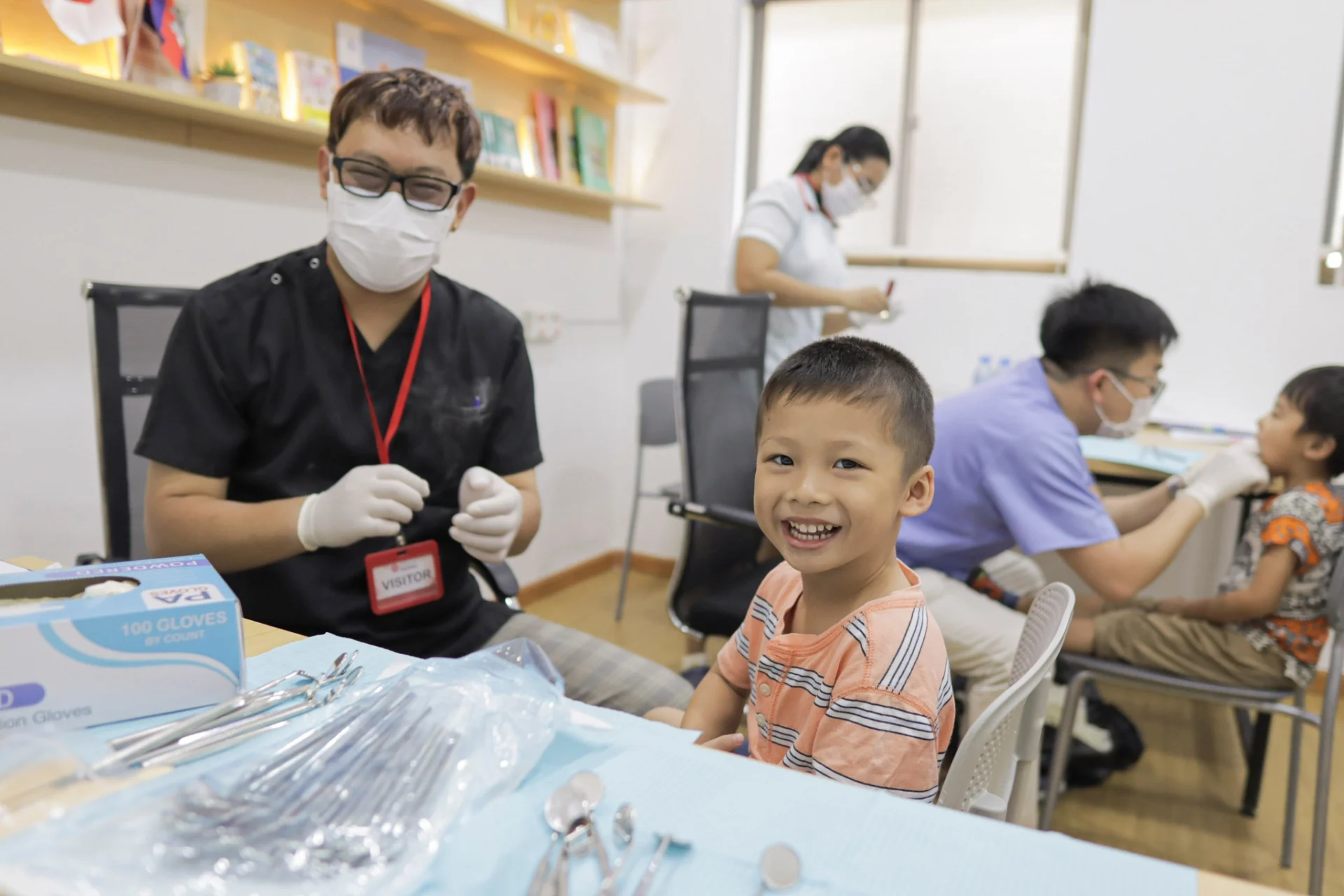
The Japanese International School of Phnom Penh continues to demonstrate a strong commitment to student well-being by integrating health initiatives directly into the school environment. A recent on-campus dental check-up highlights how the school approaches education holistically—recognizing that learning outcomes are closely linked to children’s physical health, confidence, and daily comfort.

At the Japanese International School of Phnom Penh, health support is not treated as an occasional add-on but as a consistent part of school life. By welcoming professional dental services onto campus, the school helps ensure that students receive early and regular oral health monitoring without disrupting their learning routines. For families, this approach reduces logistical barriers and reinforces the message that preventive care matters.
Why School-Based Health Services Matter
For young children especially, routine dental visits can feel intimidating. Conducting check-ups in a familiar school setting helps reduce anxiety and encourages positive attitudes toward health care. When children associate dental care with a safe, known environment, they are more likely to cooperate and build lifelong healthy habits.
The Japanese International School of Phnom Penh understands that oral health plays a direct role in attendance, concentration, and overall comfort in the classroom. Tooth pain or untreated issues can affect sleep, mood, and participation. Early identification through school-based screenings supports timely follow-up and minimizes disruptions to learning.
Supporting Confidence and Well-Being
Beyond physical health, initiatives like these contribute to children’s confidence and social development. Smiling, speaking, and engaging with peers are all influenced by how children feel about their oral health. By addressing dental care early, the Japanese International School of Phnom Penh helps students feel more comfortable expressing themselves in class and during social interactions.
This proactive mindset aligns with broader international education standards, where student well-being is considered foundational rather than secondary. Schools that invest in preventive health services often see stronger parent engagement and trust, as families recognize the school’s role as a true partner in their child’s development.
A Model for Schools in Cambodia
As Cambodia’s education sector continues to grow and diversify, examples like the Japanese International School of Phnom Penh offer valuable insight into best practices. Integrating health services into the school day shows how institutions can go beyond academics to support the whole child.
For school leaders and administrators, this approach demonstrates that meaningful health initiatives do not always require complex infrastructure. Strategic partnerships and thoughtful planning can make a measurable difference in student outcomes and family satisfaction.
Building a Caring School Culture
Ultimately, the success of programs like on-campus dental check-ups reflects a school culture rooted in care, responsibility, and long-term thinking. The Japanese International School of Phnom Penh continues to set an example by prioritizing both education and well-being, reinforcing the idea that healthy children are better prepared to learn, grow, and thrive.
If the information about the school is not accurate or insufficient, please Contact us.
Do you want to register your school? Click here.


Leave A Comment