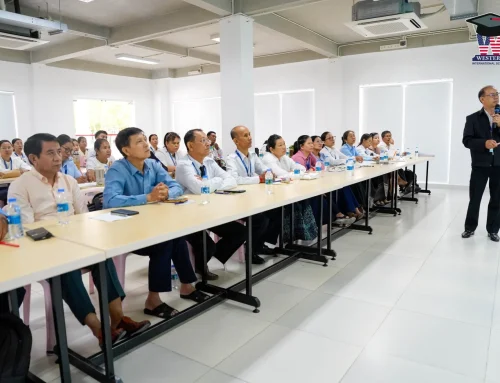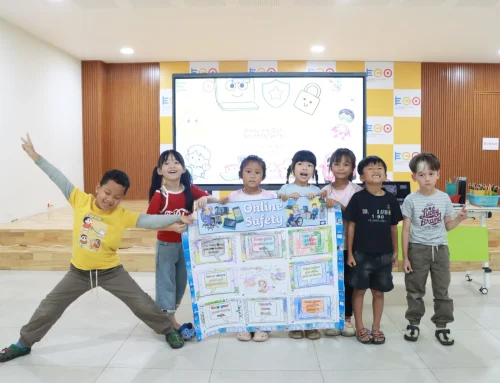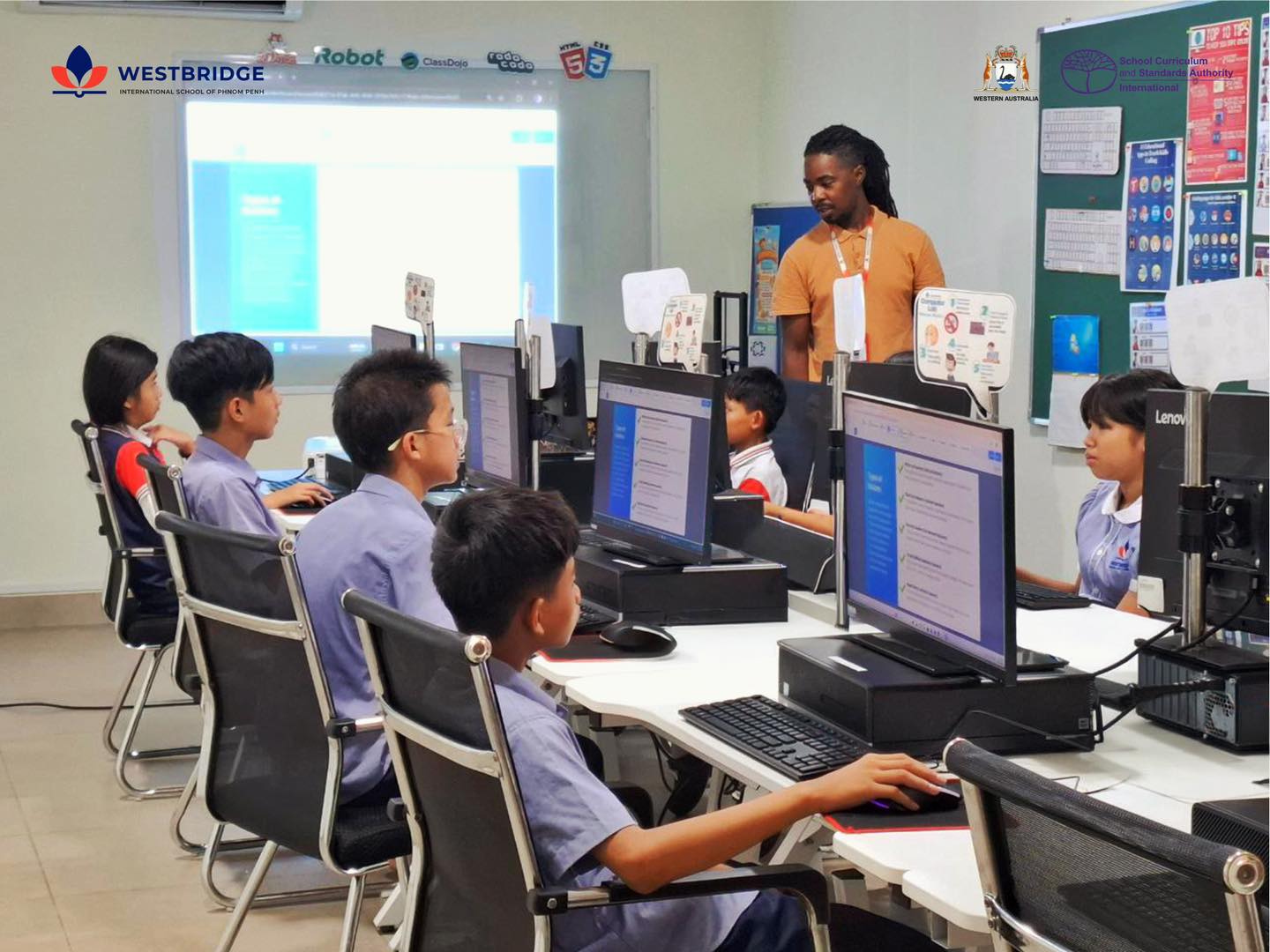

Students at Westbridge International School of Phnom Penh are stepping confidently into the world of technology and innovation. As shown in the uploaded classroom scene, Grade 8 learners are actively engaged in science and technology activities—not just memorizing concepts, but experimenting, designing, analysing, and solving real-world challenges. This approach reflects the school’s commitment to building skills that prepare young people for a rapidly evolving global future.

International education in Phnom Penh is growing, and schools like Westbridge International School of Phnom Penh are helping shape new learning expectations. Instead of traditional one-direction teaching, the classroom experience here is interactive, hands-on, and student-centred. These practices are becoming essential in modern education, especially as digital literacy, creativity, and communication skills are now core requirements in global education and career pathways.
A Modern Approach to International Education
The use of computers, visual presentations, and student-led discussion indicates a focus on 21st-century teaching methods. Students appear to be collaborating in small groups, developing digital skills, and exploring concepts connected to science, computing, and problem-solving. Instead of learning solely from textbooks, they are using tools and real technology to understand how concepts apply in real life.
This type of learning aligns with international school expectations, where inquiry-based learning, discovery, and exploration are strongly encouraged. It also supports future-ready competencies such as digital communication, online research, and analytical reasoning.
Western Australian Curriculum Standards
Based on the text included in the school’s post, Westbridge International School of Phnom Penh follows high-level academic expectations recognized by the Kingdom of Cambodia’s Ministry of Education, Youth and Sports as well as the Australian education framework. The Western Australian Curriculum is widely respected and ensures continuity for students who may transfer internationally or continue education abroad.
Parents seeking a structured yet globally recognised curriculum may find this approach valuable, as it supports long-term academic pathways, including international universities and future study abroad opportunities.
Building Confidence Through Hands-On Experiences
The classroom images highlight a learning environment where students are actively involved in their lessons. Learning by doing builds confidence and reinforces understanding—especially in subjects like science, computing, and robotics, where direct application is key.
Schools offering interactive and exploratory learning environments help children build more than just academic knowledge. They also support skills in teamwork, communication, problem-solving, and critical thinking—traits highly valued in future academic and workplace environments.
A Growing Community of International Schools in Phnom Penh
Phnom Penh’s education sector continues to expand, offering more diverse and high-quality learning pathways for families. Schools like Westbridge International School of Phnom Penh demonstrate how modern teaching methods and accredited international curricula can support students in developing relevant skills for the future.
For families exploring education options in Phnom Penh, it is helpful to look at curriculum structure, teaching style, facilities, and long-term accreditation—key elements that influence a student’s academic journey.
If the information about the school is not accurate or needs updating, Contact us.
Do you want to register your school on our platform? Click here