School camping activities are becoming an important part of early childhood education in Cambodia, and the recent experience shared by KCE Little Stars is a strong example of how meaningful outdoor learning can be. According to the school’s Facebook post, their school camping activity helped children build confidence, independence, teamwork, and problem-solving skills through simple, well-planned outdoor experiences. This type of school camping activity supports real-life learning that goes beyond the classroom.

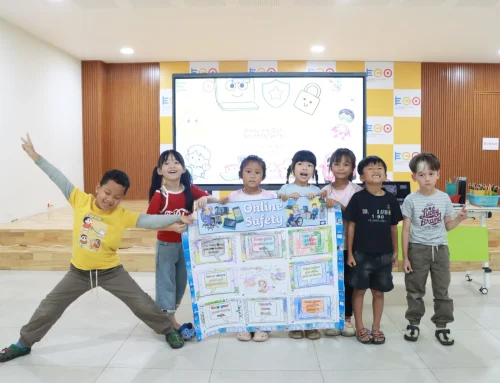
From the images shared, children can be seen working together, wearing themed headbands, reading in small groups, listening to teachers, and participating in structured outdoor tasks. These moments reflect how school camping activities can be designed to feel safe, engaging, and developmentally appropriate for young learners. Rather than focusing on long trips or complex setups, KCE Little Stars demonstrates that meaningful learning can happen within a school-based camping environment.
Why School Camping Activities Matter in Early Years Education
A well-planned school camping activity supports multiple areas of child development at the same time. For young children, outdoor learning experiences help strengthen social skills, emotional regulation, and communication. Activities such as group reading, shared play, and guided exploration encourage children to listen to peers, follow instructions, and cooperate as a team.
In the case of KCE Little Stars, the school camping activity focused on simple outdoor experiences that allowed children to explore at their own pace. This approach helps children develop independence while still feeling supported by teachers. For many children, stepping outside the usual classroom routine builds confidence and encourages curiosity.
Building Teamwork and Problem-Solving Through Outdoor Learning
One of the key benefits of a school camping activity is the opportunity for children to work together. Team-based activities help children practice turn-taking, sharing ideas, and solving small challenges as a group. These skills are essential for school readiness and long-term learning success.
Outdoor learning also naturally introduces problem-solving. Whether children are organizing materials, participating in group tasks, or navigating a new setup, they learn to think, adapt, and ask for help when needed. KCE Little Stars’ camping activity highlights how these experiences can be both enjoyable and educational when guided by trained educators.
Real-Life Learning Beyond the Classroom
School camping activities provide children with real-life learning opportunities that are difficult to replicate indoors. Being outside encourages sensory exploration, movement, and engagement with the environment. These experiences support attention, memory, and language development in young learners.
The Facebook post from KCE Little Stars emphasizes that their “little stars learned, explored, and grew together,” which captures the essence of experiential learning. For parents and educators in Cambodia, this shows how schools can integrate outdoor education into early years programs in a practical and meaningful way.
A Positive Example for Schools in Cambodia
As more schools in Cambodia look for ways to enrich their early childhood programs, school camping activities offer a valuable option. KCE Little Stars provides a positive example of how outdoor learning can be aligned with educational goals while keeping children safe, engaged, and motivated.
By focusing on confidence, independence, teamwork, and problem-solving, this school camping activity reflects best practices in early childhood education. It also highlights the growing emphasis on holistic development within Cambodia’s education landscape.
If the information about the school is not accurate or sufficient, please Contact us.
Do you want to register your school? Click Here.